
Understanding Non-Emergency Medical Transport Options
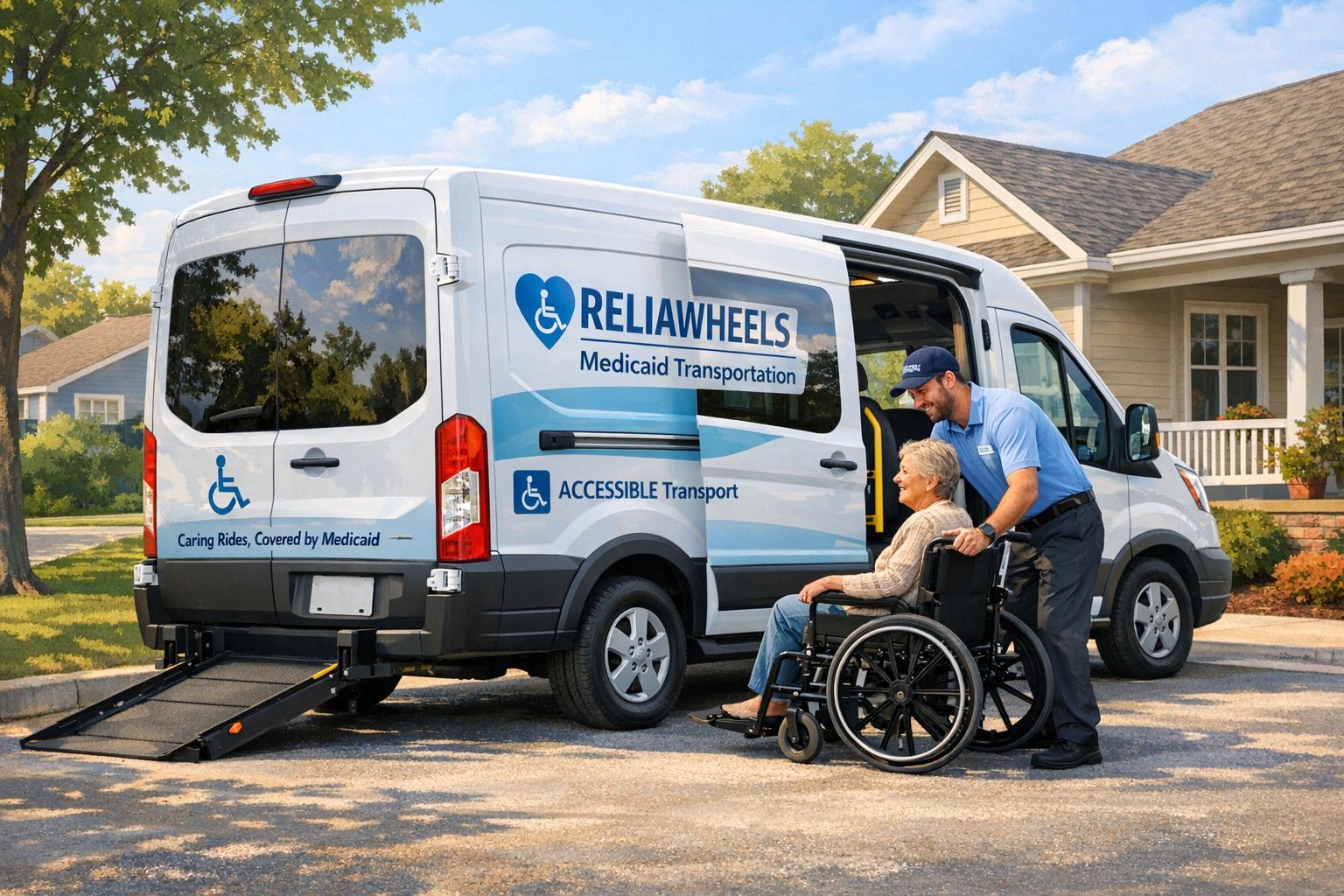
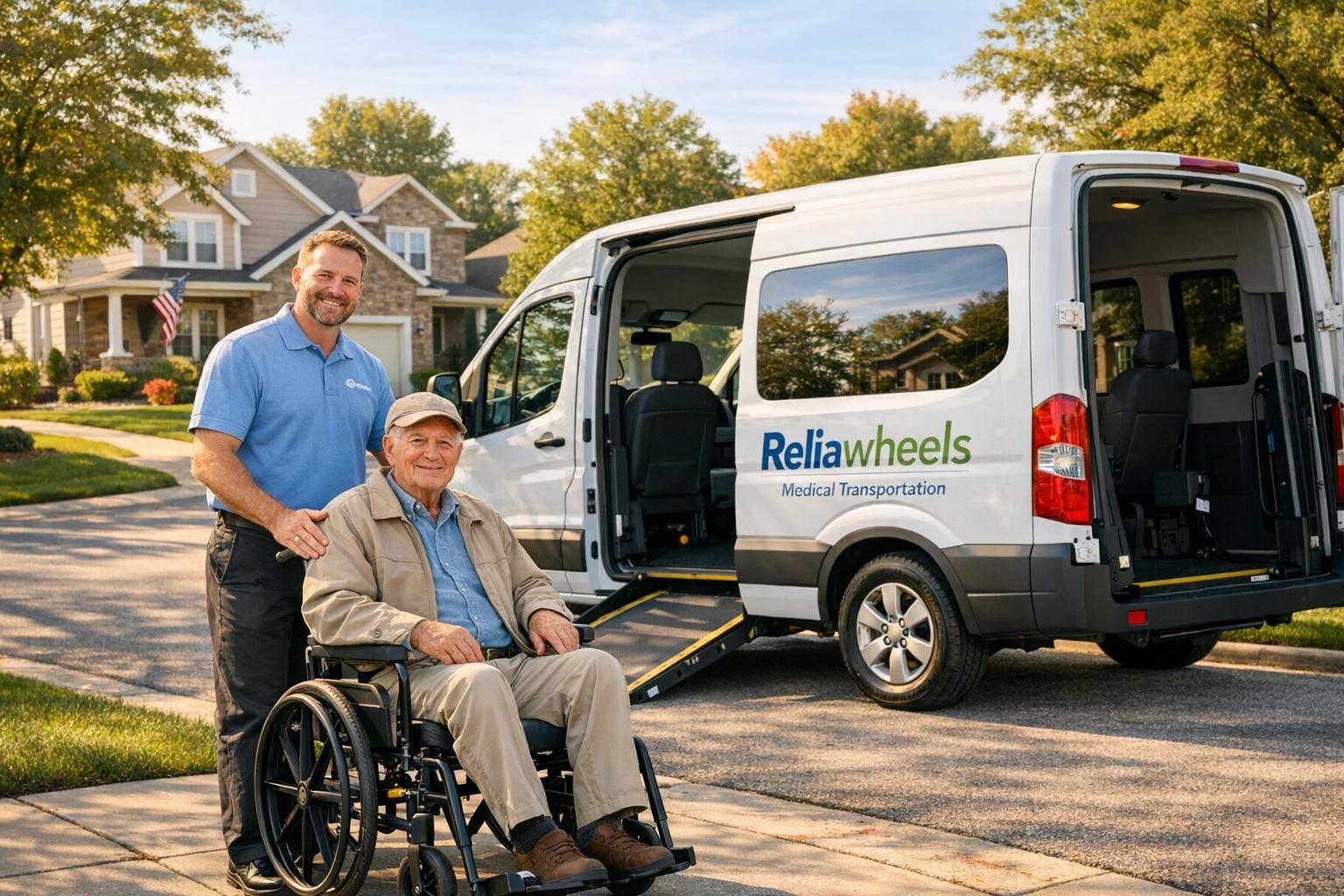
Navigating access to rides for medical appointments can feel overwhelming, especially if you’re dealing with mobility challenges or a tight budget. Non-emergency medical transportation services are designed to help people get to essential visits like routine check-ups, dialysis, or therapy sessions when they can’t drive or use public transit. These programs, often supported by Medicaid, private insurance, or community organizations, can be a lifeline for seniors, individuals with disabilities, or anyone without reliable transport.
How to Find Out If You Qualify
Eligibility for these services often hinges on factors like your location, health needs, and financial situation. For instance, many state programs prioritize medically necessary trips and may require proof of limited mobility. Tools like our eligibility analyzer can help you cut through the confusion by providing a quick snapshot of potential options based on your personal details. From there, reaching out to local agencies or your insurance provider is the best way to confirm support.
Why It Matters
Access to healthcare shouldn’t be limited by how you get there. Exploring transport assistance ensures you don’t miss critical appointments, helping you stay on top of your health with peace of mind.
FAQs
Who qualifies for non-emergency medical transportation?
Eligibility often depends on your situation and location. Programs like Medicaid typically cover transport for medically necessary trips—like dialysis or check-ups—if you have limited mobility or no other way to get there. Some insurance plans and local agencies also offer help, especially for seniors or people with disabilities. Our tool gives you a starting point by assessing your details against common criteria, but you’ll need to confirm with the specific program.
Is this eligibility assessment final?
Nope, it’s just a preliminary guide. We analyze your inputs based on general rules for programs like Medicaid or local services, but every provider has its own process. Think of this as a helpful first step—use our results to know who to contact, then verify directly with them to lock in your eligibility.
What kind of information do I need to provide?
We’ll ask for a few basics to get an accurate picture: your location (state or zip code), age, mobility status (like if you use a wheelchair or need help walking), reason for travel, and insurance details if you’ve got coverage. It takes just a couple of minutes, and we’ll use that to match you with potential transport options in your area.