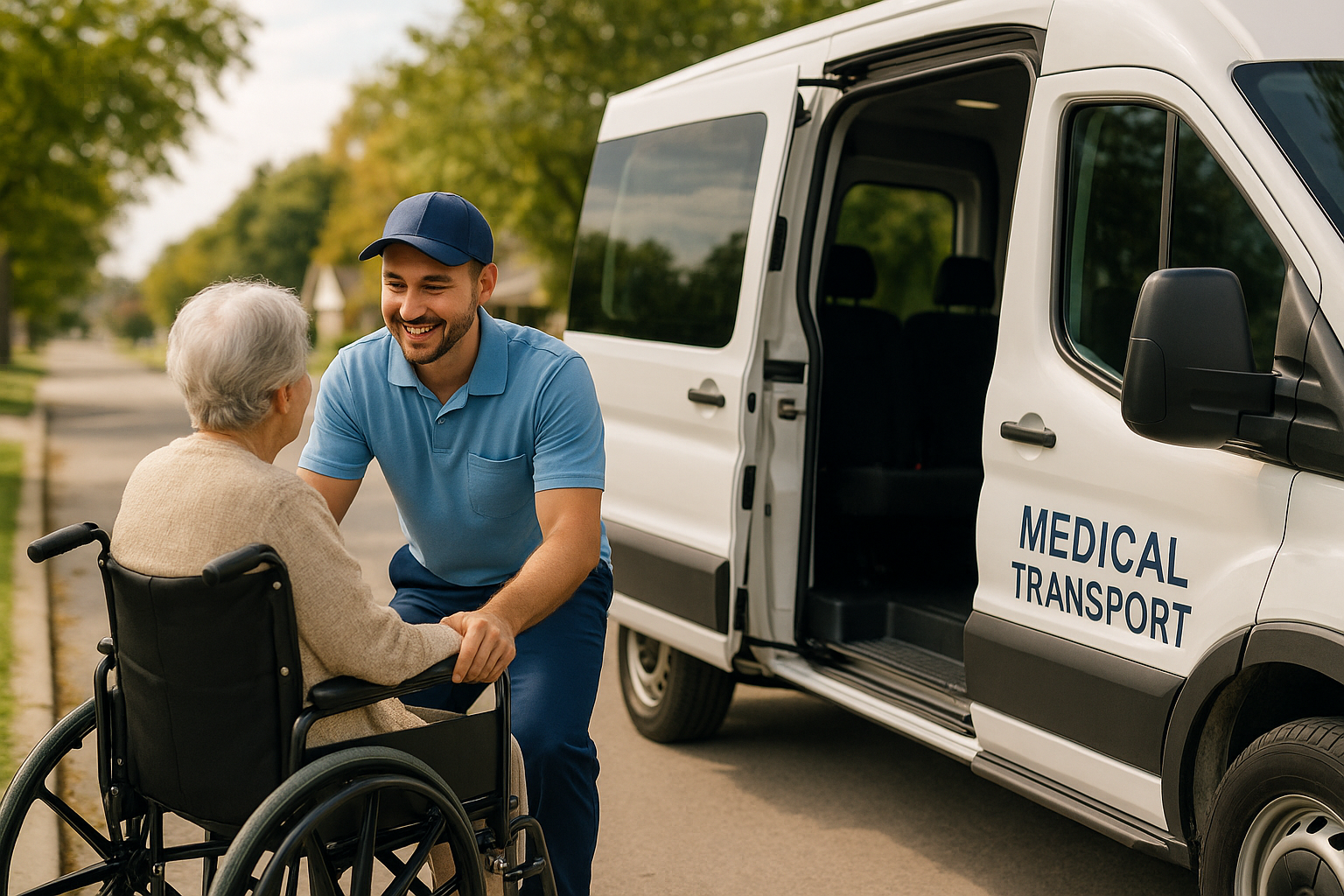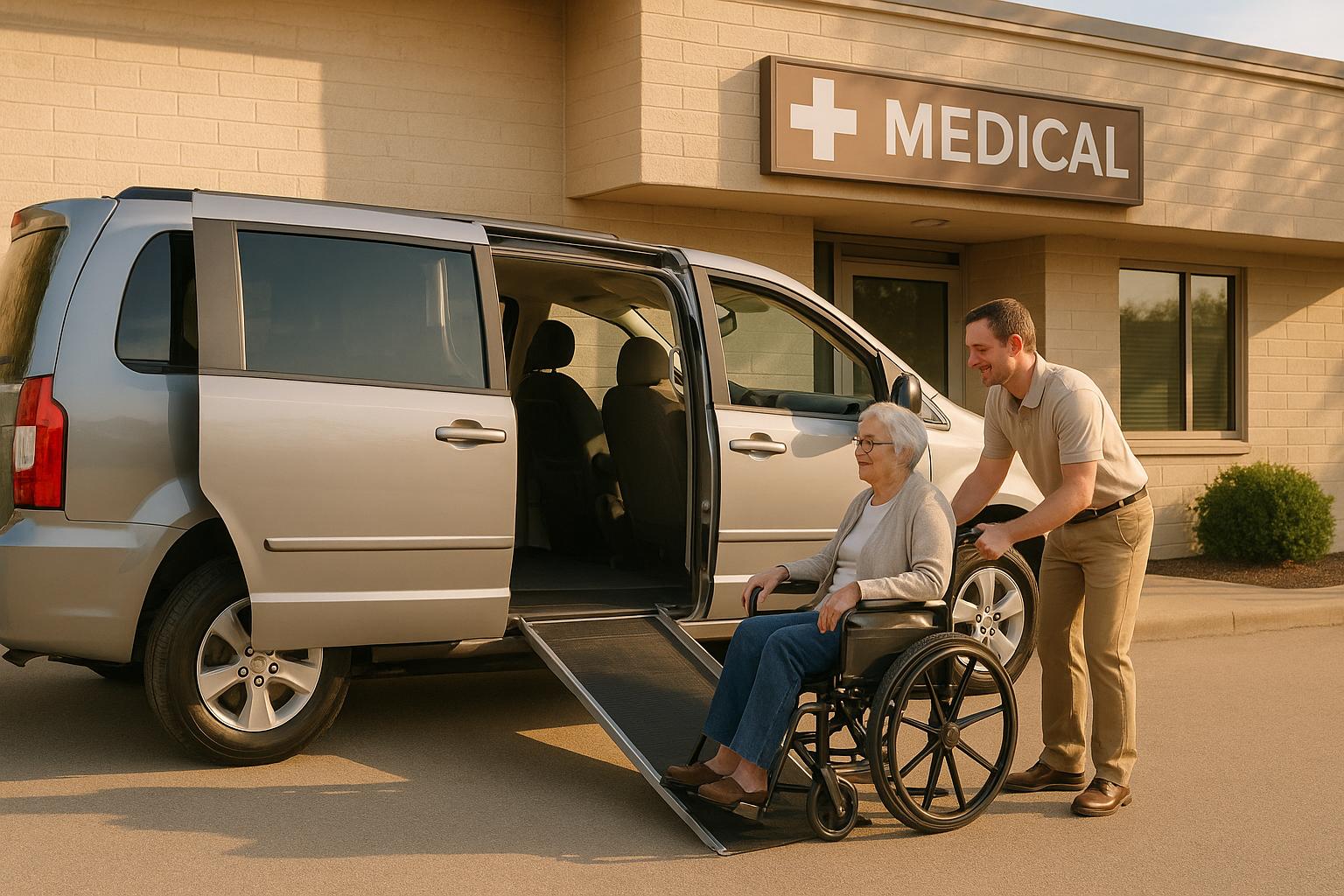
Patient-centered transport platforms are transforming how individuals access medical care by focusing on accessibility, reliability, and personalized service. These platforms go beyond basic transportation by using advanced tools like AI scheduling, GPS tracking, and mobile apps to simplify and improve the experience for patients and healthcare providers alike.
Here’s what’s driving the change:
- AI Scheduling: Matches rides to patient needs, considering traffic, vehicle type, and appointment times for efficient trips.
- Real-Time GPS: Reduces patient anxiety by providing accurate pickup and arrival times.
- Mobile Apps: Enable patients to book, track, and manage rides independently.
- EHR Integration: Syncs transportation with medical appointments, ensuring seamless coordination between healthcare providers and transport services.
Services like ReliaWheels in Cleveland, Ohio, are leading the way by using these tools to provide specialized care, including wheelchair-accessible vehicles, stretcher transport, and long-distance medical trips. These advancements not only improve patient experiences but also help healthcare systems manage resources more effectively.
As the non-emergency medical transportation (NEMT) market grows - expected to reach $10 billion by 2028 - technology is becoming a cornerstone of modern healthcare logistics. Whether through AI-driven scheduling or real-time updates, these platforms are reshaping how patients get to critical appointments while improving overall care delivery.
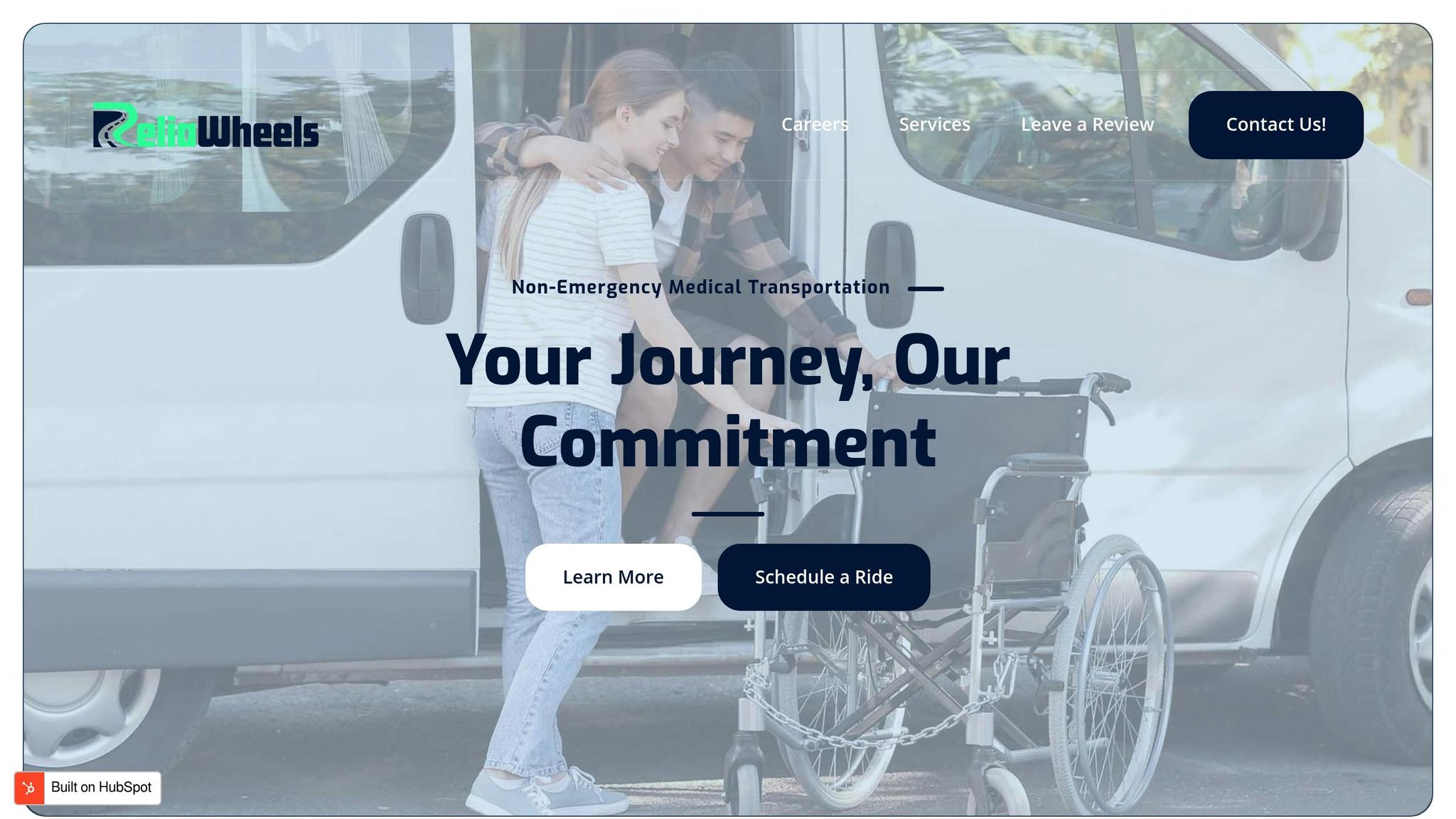
1. ReliaWheels | NEMT for Cleveland Ohio
Technology Integration
ReliaWheels has brought a tech-forward approach to Cleveland's Non-Emergency Medical Transportation (NEMT) services. By incorporating real-time GPS, automated scheduling, and mobile communication tools, the company ensures patients can track their rides and see estimated arrival times. This level of transparency takes the guesswork out of waiting for transportation, which is especially helpful for individuals managing chronic conditions like dialysis or therapy appointments.
The automated scheduling system eliminates the hassle of back-and-forth phone calls, streamlining appointment coordination. Mobile updates keep patients informed throughout their journey, reducing stress and improving the overall experience. Research backs this up: one study found that real-time GPS tracking significantly lowers patient anxiety (by 85%) and boosts satisfaction rates to 92% when paired with automated updates.
ReliaWheels also integrates its platform with local healthcare systems and electronic health records (EHRs). This connection allows for automatic trip scheduling based on medical appointments and provides real-time updates to healthcare providers. By doing so, transportation becomes a seamless part of the care process, helping facilities manage patient logistics while ensuring transportation details are incorporated into health records.
Patient Accessibility
Accessibility is at the heart of ReliaWheels' services. From door-to-door rides to medical offices, dialysis centers, nursing homes, or pharmacies, the service eliminates barriers like navigating parking lots or long walks.
The fleet includes wheelchair-accessible vehicles, ensuring patients who use wheelchairs can travel comfortably without the need to transfer seats. For those requiring more specialized care, such as stretcher transport, trained staff are on hand to provide safe and secure assistance tailored to specific medical needs.
Beyond medical appointments, ReliaWheels covers a variety of other transportation needs. Whether it’s pharmacy pickups, holiday travel, special events, long-distance trips, or even airport transfers, the service ensures patients have reliable options for all aspects of their lives. This comprehensive approach reflects a commitment to addressing the diverse transportation needs of Cleveland's residents.
Operational Efficiency
ReliaWheels combines advanced technology with practical solutions to ensure operational efficiency. AI-powered scheduling takes into account factors like patient needs, vehicle capacity, traffic patterns, and appointment priorities. This not only optimizes routes but also keeps fuel costs in check while ensuring patients arrive on time.
Real-time tracking tools give dispatchers a clear view of vehicle locations across Cleveland. If delays occur - whether due to heavy traffic on I-90 or unexpected weather conditions - the system allows for immediate route adjustments. Dispatchers can notify patients of changes, reroute vehicles, and coordinate with healthcare providers to manage appointment schedules effectively.
Drivers are held to high standards, maintaining required licenses and certifications, and receiving additional training in CPR and conflict resolution. Paired with smart routing technology, this ensures a dependable service that healthcare providers trust for timely discharges and appointment adherence.
Specialized Services
ReliaWheels goes beyond standard transportation by offering specialized services tailored to specific patient needs. Flexible scheduling accommodates a variety of medical appointments, such as therapy sessions or dialysis treatments, which often require strict timing.
For patients needing care outside Cleveland, the company provides long-distance transportation, helping them access specialized treatments or travel for family-related medical reasons. Airport pickup services are also available, ensuring reliable transportation for those arriving for consultations or treatments not available locally.
The stretcher transport service offers the highest level of care for patients who are unable to sit upright or transfer to standard seating. Trained staff manage these transfers safely, making it ideal for patients moving between facilities or requiring specific medical positioning during transit.
Recognizing that well-being isn’t limited to medical appointments, ReliaWheels also provides transportation for holidays and special events. This thoughtful service supports not only the clinical needs of patients but also their social and emotional well-being, ensuring they can participate in life’s important moments stress-free.
2. Standard Non-Emergency Medical Transportation Services
Technology Integration
Across the United States, standard Non-Emergency Medical Transportation (NEMT) services are increasingly incorporating technology, though the level of sophistication varies. Basic GPS tracking and digital booking systems are widely used, offering features like real-time vehicle location updates and estimated arrival times.
Mobile apps have become a popular tool for scheduling rides, eliminating the need for phone calls. This shift is particularly helpful for individuals with hearing impairments or those who prefer managing appointments on their smartphones. Many apps also include features like trip history tracking and digital payment options, reducing the reliance on cash transactions.
Integration with electronic health records (EHR) is inconsistent among providers. Some systems automatically generate transportation requests when healthcare facilities schedule appointments, while others still depend on manual coordination between transportation services and medical offices. Additionally, AI-powered dispatch systems are beginning to make an impact, analyzing traffic, vehicle capacity, and appointment schedules to optimize routes and reduce costs. Industry reports suggest that advanced scheduling and route optimization can cut operational expenses by 15–25% for NEMT providers. However, these advancements are more common in specialized platforms like ReliaWheels, setting them apart from standard services.
Patient Accessibility
Accessibility remains a key focus for standard NEMT services, though the tools used are often simpler. These services aim to eliminate transportation challenges for individuals unable to drive themselves to medical appointments. Door-to-door service is a cornerstone, ensuring patients are transported directly to and from healthcare facilities without the hassle of navigating parking lots or enduring long walks.
Wheelchair-accessible vehicles play a vital role, allowing patients to remain in their wheelchairs during transport and avoiding potentially unsafe transfers. For patients who cannot sit upright, stretcher transport services are available, with trained staff ensuring safe handling.
While digital platforms make scheduling easier, many providers still offer phone-based options for those less comfortable with technology. Mobile apps often include service rating systems, enabling patients to provide feedback and helping providers improve their offerings. Studies show that NEMT services have reduced missed medical appointments by as much as 70% in some areas, directly enhancing patient health outcomes and the efficiency of healthcare systems. A 2019 study using the National Academies' NEMT cost-effectiveness model found that technology-driven services significantly improve appointment attendance, reduce administrative costs, and boost patient satisfaction.
Operational Efficiency
Standard NEMT services rely on basic tracking and scheduling tools to enhance operational efficiency, though there is room for improvement. Providers use a variety of systems to manage fleets and coordinate patient transportation. Real-time GPS tracking gives dispatchers visibility into vehicle locations, allowing them to address delays caused by traffic or weather conditions promptly. Automated dispatch systems assign trips based on factors like driver availability, vehicle type, patient needs, and location, ensuring resources are used effectively. Data analytics also help providers identify demand patterns, enabling better allocation of vehicles and staff.
Drivers are required to meet specific training and certification standards, ensuring they are equipped to handle the needs of their passengers. Combined with smart routing technology, these measures create a reliable foundation for service delivery.
Electronic Trip Verification systems are another important tool, integrating with Medicaid and insurance systems to maintain detailed, auditable transportation records. These systems help prevent fraud and ensure accurate billing, benefiting both providers and payers.
Specialized Services
Beyond routine transportation, standard NEMT providers offer specialized services to enhance patient safety and comfort. For example, wheelchair-accessible vehicles and stretcher transport options ensure that patients with mobility challenges can travel safely and with dignity.
Some providers are beginning to integrate health monitoring capabilities during transport for high-risk patients or those with chronic conditions. Wearable devices and IoT sensors can track vital signs throughout the journey, adding an extra layer of safety, especially for longer trips or patients requiring close supervision.
Another emerging service is temperature-sensitive medication transport. Smart packaging with real-time temperature monitoring and IoT sensors ensures that medications and lab specimens are handled correctly during transit. Blockchain-based tracking systems further enhance transparency by providing an unchangeable record of transportation conditions.
Digital storage of patient profiles, including details about mobility needs, medical conditions, and communication preferences, is also becoming more common. This ensures that drivers and attendants have access to critical information, enabling a more personalized and comfortable experience for patients with complex needs.
Our Transport Team: Improving Patient Safety with Cutting-Edge Technology
sbb-itb-a0ce227
Pros and Cons
Deciding between advanced technology-driven NEMT platforms and traditional services involves weighing various factors that influence patient care, operational efficiency, and service quality. Understanding these differences is key for healthcare providers and patients to make informed transportation choices.
Technology Integration and Scheduling
Modern platforms leverage AI to streamline scheduling by factoring in patient mobility needs, vehicle capacities, driver qualifications, traffic, and appointment priorities all at once. Real-time GPS tracking adds another layer of precision, offering accurate vehicle locations and estimated arrival times. This technology improves coordination and reduces delays.
Self-service booking tools also ease administrative workloads, allowing patients to arrange their rides independently. In contrast, traditional phone-based bookings often require staff involvement, which can lead to bottlenecks during busy times and limit access for those who prefer digital solutions.
Healthcare System Coordination
Technology-forward platforms go beyond scheduling by integrating seamlessly with Electronic Health Records (EHR). This integration enables automatic trip scheduling and real-time updates. Aligning transportation with appointment times minimizes waiting periods and significantly reduces missed visits. Traditional services, on the other hand, often rely on disconnected systems, requiring manual coordination that can lead to scheduling errors and communication issues.
Real-time coordination between healthcare facilities and transportation providers also allows for faster responses to urgent situations and better management of patient flow. This reduces discharge delays, which can otherwise strain hospital resources like bed availability.
Patient Safety and Monitoring
Patient safety is a top priority, and technology-driven platforms excel in this area. They integrate wearable devices and IoT sensors to monitor vital signs, detect falls, and provide emergency responses during transport. This is especially critical for high-risk or chronically ill patients. Traditional NEMT services generally offer basic transportation without these advanced monitoring features.
Fraud prevention is another strength of advanced platforms. Electronic Trip Verification systems ensure accurate records that integrate with Medicaid and insurance providers. Traditional services, which rely on manual verification, are more prone to errors and compliance issues.
Operational Costs and Efficiency
AI-powered route optimization significantly reduces fuel costs, improves punctuality, and minimizes no-show rates, leading to better vehicle utilization and higher customer satisfaction. Data analytics further streamline resource use and lower operational overhead. However, these platforms require a larger initial investment in technology and training.
Traditional services may have lower upfront costs, but inefficiencies like higher fuel consumption, increased no-show rates, and manual processes result in greater long-term expenses. Over time, the savings from optimized operations often outweigh the initial costs of adopting advanced technology.
Data and Analytics Capabilities
Advanced platforms provide detailed metrics on efficiency, punctuality, and patient satisfaction, enabling continuous improvements. These data insights help providers identify trends, allocate resources more effectively, and measure outcomes. Traditional services, however, offer limited data, making it harder to identify areas for improvement or demonstrate value to healthcare partners.
| Aspect | Technology-Forward NEMT | Standard NEMT Services |
|---|---|---|
| Scheduling | AI-driven optimization considering multiple factors | Manual scheduling with inefficiencies |
| Real-Time Tracking | GPS-enabled updates for precise locations | Minimal visibility into vehicle progress |
| Patient Booking | Self-service apps and online tools | Phone-based booking requiring staff assistance |
| Healthcare Integration | EHR-linked automatic trip scheduling | Manual coordination with disconnected systems |
| Health Monitoring | Wearable devices for real-time vitals tracking | No advanced monitoring features |
| Fraud Prevention | Electronic Trip Verification for compliance | Manual processes prone to errors |
| Data Analytics | Comprehensive metrics for improvement | Limited insights into service quality |
| Operational Costs | Lower long-term costs via optimization | Higher costs due to inefficiencies |
| Initial Investment | Higher upfront technology costs | Lower initial expenses |
| Appointment Adherence | Optimized scheduling ensures timeliness | Higher no-show rates affecting operations |
Accessibility Considerations
Both advanced and traditional NEMT services offer wheelchair-accessible vehicles and door-to-door service. However, technology-driven platforms use digital profiles to match patients with the right vehicles based on their needs, reducing mismatches and delays. Traditional services often lack such detailed documentation, which can result in longer wait times for patients requiring specialized assistance.
Service Flexibility and Specialization
Technology-forward platforms excel in managing specialized transportation needs. For example, they can handle temperature-sensitive medication transport with real-time monitoring and blockchain tracking. Traditional services typically lack the infrastructure to manage such complex requirements effectively.
The choice between these transportation options ultimately depends on patient needs, budget constraints, and the importance of healthcare system integration. While advanced platforms offer greater efficiency, safety, and coordination, traditional services may be sufficient for basic transportation at a lower initial cost.
Conclusion
Technology has reshaped how patient transportation fits into healthcare, turning it into a seamless part of the care process. Gone are the days of manual scheduling and endless phone calls. Today, tools like AI, GPS tracking, and EHR integration are not only making operations smoother but also improving patient outcomes and overall system efficiency.
The healthcare transportation market is expected to hit $137.1 billion by 2030, highlighting the transformative role of technology. Features like real-time tracking and mobile apps are reducing patient stress while speeding up processes like discharges and minimizing emergency room bottlenecks. These tools ensure patients get where they need to be, without unnecessary delays or complications.
EHR integration and AI-driven scheduling are game-changers, bridging communication gaps that often lead to missed appointments or readmissions. By factoring in patient needs, vehicle availability, driver expertise, and even traffic conditions, these systems create a smoother coordination process between healthcare facilities and transport providers. And these aren’t just ideas - they’re already being put into practice.
While current technologies are making a big impact, the future holds even more promise. Innovations like wearables for real-time health monitoring, blockchain for secure tracking, and autonomous vehicles are set to take patient transportation to the next level. For now, providers should focus on proven solutions like GPS tracking, mobile booking tools, and EHR integration, while keeping an eye on these emerging advancements.
Take ReliaWheels, for example - a provider based in Cleveland, Ohio. They’ve embraced technology to offer specialized services, including wheelchair-accessible transport, stretcher services, and long-distance medical trips. By combining advanced scheduling systems with a team of CPR-certified, compassionate staff, they’ve created a model that blends efficiency with the personal care patients deserve. It’s a reminder that while technology is powerful, the human touch still matters.
FAQs
How does AI-powered scheduling enhance patient transportation services?
AI-powered scheduling has transformed how patient transportation is managed, making operations smoother and far more efficient. By factoring in variables like traffic patterns, appointment schedules, and vehicle availability, AI ensures patients are picked up and dropped off on time while cutting down on unnecessary delays.
It also fine-tunes routes to save on fuel costs and travel time, creating benefits for both patients and transportation providers. For clients with mobility challenges, AI can prioritize assigning specialized vehicles - like those equipped for wheelchairs or stretchers - guaranteeing a smooth and tailored experience for every patient.
How does EHR integration improve coordination between healthcare providers and transportation services?
Electronic Health Record (EHR) integration is key to improving how healthcare providers and transportation services communicate. By securely exchanging patient details - like appointment times and mobility requirements - EHR systems enable transportation providers to deliver timely, personalized services that meet each patient's specific needs.
This seamless coordination helps cut down delays, boosts patient safety, and enhances the overall experience, particularly for those requiring specialized transport, such as wheelchair or stretcher services. With modern technology powering these systems, platforms like ReliaWheels ensure efficient, patient-focused transportation solutions.
How does ReliaWheels use technology to make transportation accessible for patients with mobility needs?
ReliaWheels uses technology to deliver dependable, personalized transportation for individuals with mobility challenges. Their vehicles come equipped with wheelchair-accessible features, prioritizing both comfort and safety for clients who rely on mobility aids. For those needing extra care, they also provide stretcher transport services, meeting various medical and accessibility requirements.
With a blend of advanced tools and a commitment to client care, ReliaWheels makes every ride accessible and trustworthy.