---
title: How to Book Medical Transport for Dialysis
description: Learn how to secure reliable non-emergency medical transportation for dialysis, ensuring timely access to vital treatments and care.
image: https://assets.seobotai.com/cdn-cgi/image/quality=75,w=1536,h=1024/reliawheels.com/691bba2360ed14ccdc7eb5c3-1763434051658.jpg
---
- [NEMT](https://reliawheels.com/reliawheels-insights/tag/nemt)
# How to Book Medical Transport for Dialysis

- November 18, 2025

[Nik S.](https://reliawheels.com/reliawheels-insights/author/nik-s)
Getting to dialysis appointments on time is critical for your health. Missing even one session can lead to serious complications. If you’re struggling to find reliable transportation, Non-Emergency Medical Transportation (NEMT) services can help. These services are designed for patients who can’t drive or use public transit due to medical needs.
Here’s what you need to know:
- **Dialysis patients require consistent, on-time transportation** due to the strict schedule of treatments (usually three times a week).
- **NEMT services offer wheelchair-accessible vehicles, trained drivers, and door-to-door service** to ensure safety and comfort.
- **Key features to look for in a provider** include punctuality, flexible scheduling, insurance coordination, and specialized driver training.
- **[Medicare](https://www.medicare.gov/), [Medicaid](https://www.medicaid.gov/), and private insurance** may cover some or all transportation costs, but check your plan for details.
- **[ReliaWheels](https://reliawheels.com/) in Cleveland, Ohio**, is a trusted option with CPR-certified drivers in dialysis transport.
To book, provide your schedule, medical needs, and insurance information to the transport provider. Work with your dialysis clinic for coordination, and plan ahead to avoid delays. Reliable transport ensures you can focus on your health without added stress.
## What is Non-Emergency Medical Transportation for Dialysis
### Non-Emergency Medical Transportation Explained
Non-Emergency Medical Transportation (NEMT) is a service designed to help patients who can't rely on personal vehicles or public transit for their medical appointments. Unlike ambulances that handle emergencies, NEMT operates on a set schedule, catering to routine healthcare needs.
This service plays a key role in ensuring access to healthcare. Many people face challenges like mobility issues, lack of access to a vehicle, or living in areas where public transportation is limited. Others may not have family or friends available to provide regular rides. NEMT steps in to fill this gap, offering vehicles equipped with wheelchair ramps, lifts, securement systems, and trained drivers who prioritize patient safety.
For those undergoing dialysis, NEMT is more than just a ride - it’s a lifeline. It ensures they can consistently attend their treatment sessions without the added stress of figuring out transportation. This reliability helps patients focus on their health and maintain a sense of independence.
Let’s explore how the specific needs of dialysis patients shape transportation requirements.
### Special Transport Needs for Dialysis Patients
Dialysis patients face unique challenges that go beyond the typical demands of medical transportation. Dialysis treatments are not occasional; they’re frequent, often requiring three sessions each week, with each session lasting 3-4 hours. That means these patients need a transportation solution that’s dependable and can accommodate a long-term, consistent schedule.
Timing is everything for dialysis patients. Treatments are scheduled at precise times, and being late can lead to shortened sessions or even rescheduling - both of which can be harmful since regular toxin removal is critical for their health. NEMT providers who specialize in dialysis understand this urgency. They plan for potential delays like traffic by building buffer time into their schedules to ensure patients arrive on time.
Another challenge is the physical toll of dialysis. Many patients feel weak or lightheaded after their sessions, making it unsafe for them to drive or use public transit. Since sessions are lengthy, NEMT providers must coordinate both drop-off and pickup times, often requiring two separate trips per session. This coordination ensures patients can reliably access their treatments without interruptions.
Dialysis treatments also leave little room for flexibility. Rescheduling is rarely an option, so patients need a transportation service they can count on, no matter the weather or other obstacles. Additionally, vehicles must have enough space to accommodate any medications or medical equipment patients might need during their journey.
## Can I Schedule a Non-Emergency Medical Ride for Dialysis in Tacoma? | Tacoma Wheelchair Ride
## How to Find Dependable Medical Transport Providers
Choosing a reliable medical transport provider for dialysis can feel like a daunting task, but focusing on key qualities can make the process much easier. Since dialysis requires a strict schedule, it's essential to find a provider that guarantees consistent, on-time service.
Start by looking into local providers that specialize in medical transportation. Seek out companies with experience specifically in dialysis patient care - they’ll understand the importance of punctuality and the physical toll of treatment. Check online reviews and ask your dialysis clinic for recommendations. When comparing providers, these features can help you make an informed decision.
### Important Features to Look for in a Provider
**Door-to-door service** is a must for dialysis patients. After a physically demanding treatment, the last thing you need is a long walk or multiple stops. The right provider will pick you up at your doorstep and drop you off right at the clinic entrance, then take you home the same way.
**Wheelchair accessibility** is another critical factor, even if you don’t currently use a wheelchair. Dialysis can leave you feeling weak or unsteady, so having vehicles equipped with ramps, lifts, and securement systems ensures safety and comfort. These vehicles also provide space for any medical equipment you might need.
**Specialized driver training** sets medical transport providers apart from standard ride services. Look for companies whose drivers are trained in patient care, mobility assistance, and medical emergencies. CPR certification is a particularly valuable qualification, showing that the provider prioritizes safety and is prepared for unexpected situations.
**Flexible scheduling options** are essential for managing recurring dialysis appointments. The best providers offer options for both one-time rides and recurring bookings, so you can set up a regular schedule without having to book each trip individually. They should also be able to accommodate last-minute changes if your medical needs shift unexpectedly.
**Insurance coordination** can save you time, money, and a lot of frustration. Experienced providers work directly with Medicare, Medicaid, and private insurance companies to help maximize your coverage. They’ll handle the paperwork and billing, so you don’t have to navigate the complexities of insurance on your own.
### Why Choose [ReliaWheels](https://reliawheels.com/) | NEMT for Cleveland Ohio
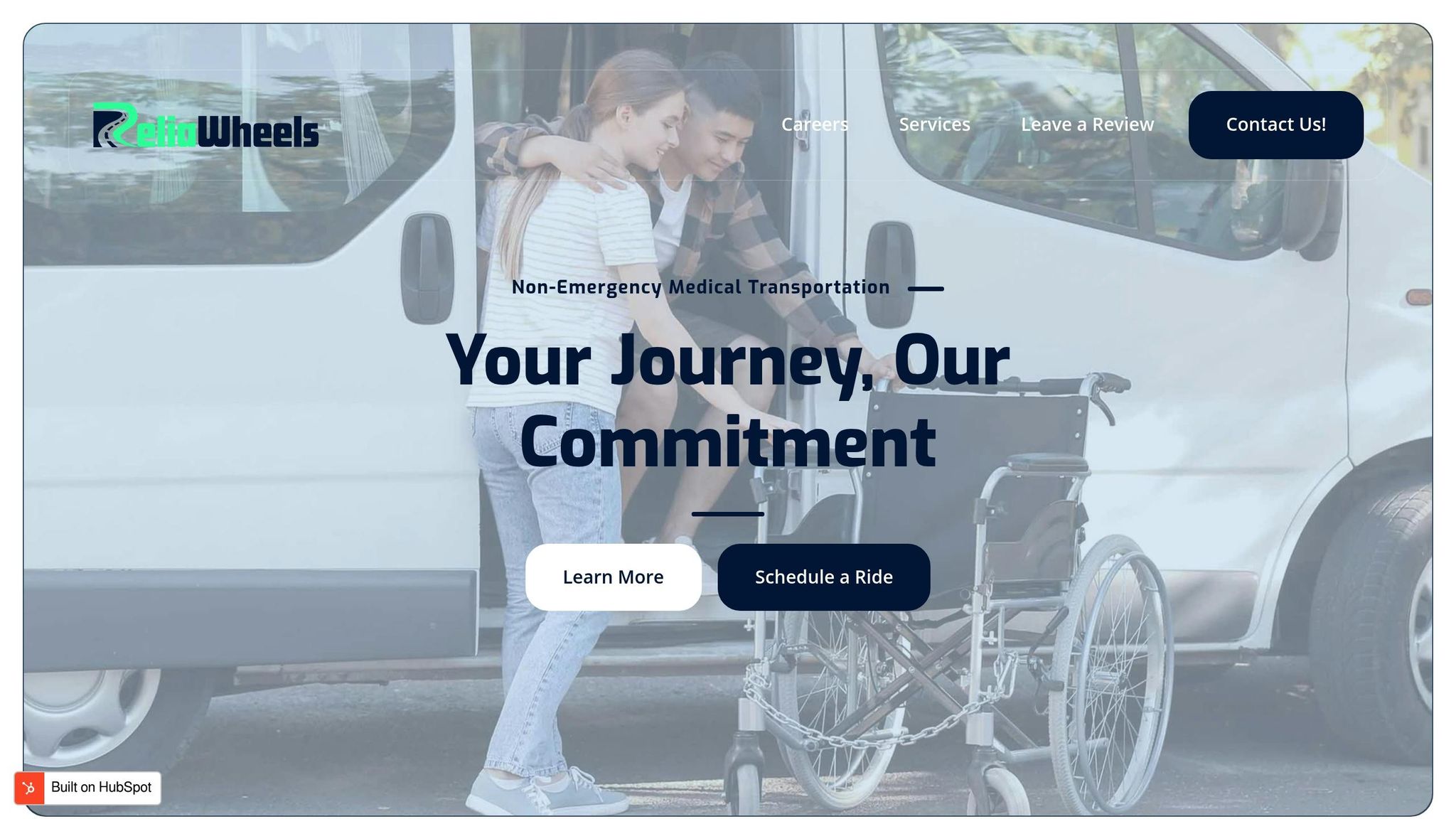
ReliaWheels stands out in the Cleveland area as a trusted provider for dialysis transportation. Their **CPR-certified staff** adds an extra layer of safety, which is especially important for dialysis patients who may experience complications during transport.
The company’s **wheelchair-accessible vehicles** ensure safe and comfortable rides, regardless of your mobility needs. Their drivers are trained in **conflict resolution** and patient care, creating a calm and supportive environment for what can often be stressful trips.
For patients with more complex medical needs, ReliaWheels offers **stretcher transport services** equipped with advanced technology. This is particularly helpful for dialysis patients who may need to lie down during transport due to fatigue or other treatment-related issues.
ReliaWheels provides a range of services, including both local and longer-distance dialysis appointments. They even offer **airport pickup services**, which can be a lifesaver for patients traveling for family events or medical consultations.
Understanding the unique challenges dialysis patients face, ReliaWheels delivers **customized transportation solutions** that prioritize timely arrivals, physical comfort, and coordination with medical facilities. Their drivers are trained to meet the specific demands of dialysis schedules, ensuring a reliable and stress-free experience.
## Step-by-Step Guide to Booking Dialysis Transportation
Booking transportation for dialysis treatments takes a bit of planning, but having all the right details ready can make the process smoother. Here's a step-by-step guide to help you secure reliable transportation.
### Setting Up One-Time or Recurring Appointments
For most dialysis patients, setting up recurring transportation appointments is a game-changer. Instead of [scheduling rides](https://reliawheels.com/schedule-a-ride) individually, you can arrange a regular pickup schedule that aligns with your dialysis routine. For instance, if your sessions are every Monday, Wednesday, and Friday at 10:00 AM, you can book transportation at the same time each week. This not only simplifies scheduling but also ensures your provider has a vehicle ready for you when needed.
If you’re booking a one-time ride, such as for an initial consultation or a makeup session, try to schedule it as early as possible to avoid last-minute issues. When making your booking, confirm a 15–30 minute pickup window to give yourself enough time to prepare.
### Working with Your Dialysis Clinic
Your dialysis clinic can be a helpful resource when coordinating transportation. Many clinics have established relationships with medical transport providers, so they understand the timing and logistics involved.
Share your transportation schedule with the clinic’s scheduling coordinator. They can help ensure your dialysis appointments align with your ride availability. In cases where the clinic runs behind schedule or needs to adjust your appointment, they may even be able to contact your transport provider directly to update pickup times.
It’s also a good idea to verify the typical duration of your dialysis sessions with the clinic so you can schedule your return trip accordingly. Additionally, the clinic may provide documentation confirming that transportation is medically necessary. This can be helpful for insurance purposes and ensures the transport provider is aware of the medical nature of your trips.
Once your schedule is finalized, coordinate with the clinic to confirm all timings.
### Information to Provide When Booking
When booking your ride, providing complete and accurate information is key to avoiding delays or confusion. Start with the basics: your name, pickup address, and destination.
Be sure to share details about your medical condition. As Wisdom Care Transportation explains, "When you're arranging transportation for your dialysis appointments, it's crucial to declare your specific needs to guarantee a smooth experience". Mention that you’re traveling for dialysis and describe how kidney failure might affect your mobility or energy levels.
Include specifics about your appointments, such as exact dates and times, the expected duration of each session, and whether you’ll need transportation on a consistent schedule. If there are any changes to your schedule, inform your provider as soon as possible.
Don’t forget to mention any accessibility needs, such as wheelchair access, assistance with boarding, or stretcher transport. If a caregiver or family member will be accompanying you, let the provider know. Also, communicate any special requirements, like oxygen equipment, specific seating positions due to access sites, or dietary needs if the trip will be lengthy.
Have your insurance information ready, including provider details and member numbers, to streamline billing. Check if prior authorization is required for the service.
Lastly, provide emergency contact details, including names and phone numbers of family members or friends who are familiar with your medical history and treatment schedule. Also, share your dialysis clinic’s contact information in case the transport provider needs to coordinate directly.
To avoid any confusion on the day of your ride, keep a written record of your booking confirmation. Include details like pickup times, vehicle type, and any special accommodations you’ve requested. Having this record handy ensures everything goes as planned and gives you peace of mind.
###### sbb-itb-a0ce227
## Payment and Insurance Options for NEMT
Planning for dialysis transportation costs can feel overwhelming, but understanding your payment options and available assistance programs can make budgeting much easier.
### [Medicare](https://www.medicare.gov/) and [Medicaid](https://www.medicaid.gov/) Coverage

Medicare provides coverage for emergency dialysis transport under specific conditions. For instance, it typically covers ambulance services to dialysis facilities in emergencies when deemed medically necessary. However, routine transportation for regular dialysis appointments is generally not included. If your ambulance transport qualifies for Medicare, you’ll be responsible for 20% of the Medicare-approved amount after meeting the annual Part B deductible, which is $257 for 2025.
Medicare Advantage Plans often go beyond standard Medicare by offering additional transportation benefits. In 2024, about 36% of regular Medicare Advantage plans and 88% of special needs plans included medical transportation coverage. For example, some [UnitedHealthcare](https://www.uhc.com/) Medicare Advantage plans provide anywhere from 12 trips to an unlimited number of trips annually, with each trip capped at 50 or 75 miles one-way. On the other hand, [Wellcare](https://www.wellcare.com/) plans count a round trip (to your appointment and back) as two separate rides and typically require you to schedule at least three days ahead.
Medicaid's Non-Emergency Medical Transportation (NEMT) program offers comprehensive transport coverage for dialysis patients. This is especially critical during the 90-day waiting period before Medicare benefits kick in, as Medicare usually starts on the first day of the fourth month of dialysis treatments. Medicaid typically covers various transportation options, including standard vehicles, wheelchair-accessible vans, and stretcher services, ensuring patients can attend recurring dialysis appointments. Many individuals have dual coverage, with Medicare handling treatment costs and Medicaid covering transportation.
### Private Insurance and Out-of-Pocket Payments
Private insurance plans vary widely in their approach to non-emergency medical transportation. Some employer-sponsored health plans may offer reimbursement for transportation costs, access to contracted transport services, or the ability to use Flexible Spending Account (FSA) funds for these expenses. To avoid surprises, confirm the specifics of your coverage directly with your insurance provider, including any trip limits, mileage restrictions, or requirements for pre-approval.
Reach out to your insurance company for a list of approved transportation providers in your area. Additionally, check whether your plan requires prior authorization for transport services. If so, your nephrologist may need to provide documentation showing that transportation is medically necessary. Submit these requests well in advance and keep copies of all related paperwork to streamline the process.
### Financial Assistance Programs
If insurance doesn’t cover everything, financial assistance programs can help bridge the gap. A great starting point is your dialysis center's social worker, who can guide you to local resources and programs tailored to your needs.
The [American Kidney Fund](https://www.kidneyfund.org/) offers financial assistance specifically for dialysis-related transportation. Additionally, many states provide aid programs for low-income residents requiring medical transport. Contact your state's Department of Health or social services office to learn about available options.
Some dialysis centers also partner with transportation providers or run their own assistance programs. Check with your clinic's patient coordinator to see if they offer discounted rates or other resources.
When applying for financial assistance, be prepared to provide documentation, such as proof of your medical condition, income level, and transportation needs. Many programs require evidence of financial hardship and medical necessity, and some may reimburse you for transportation expenses rather than paying providers directly.
## Preparing for a Safe and Comfortable Ride
Once you've booked your ride, it's important to make sure all your specific needs are communicated clearly. By sharing details about your medical requirements, you give your transport provider the information they need to ensure your trip is as safe and comfortable as possible.
### Sharing Your Special Needs with Providers
When scheduling dialysis transportation, let your provider know about any special accommodations you might need. For example, if you use a wheelchair or walker, require assistance getting in and out of the vehicle, or need space for oxygen therapy or portable dialysis equipment, be sure to mention it. If a caregiver will be traveling with you, let them know that too. These details help the provider plan for a ride that meets your needs.
### Preparing for Pickup and Drop-Off
### Selecting a Vehicle That Fits Your Requirements
## Making Dialysis Transportation Simple with ReliaWheels
Getting to and from dialysis appointments shouldn't add stress to your life. That’s where **ReliaWheels** steps in. Serving Cleveland and the greater Northeast Ohio area since 2023, ReliaWheels has completed over 4,000 rides. With an average return time of just 20 minutes, they’ve built a reputation for reliability and efficiency. This dependable service means less waiting around and a more predictable routine - an absolute necessity if you’re juggling multiple appointments each week. Their consistency allows you to focus on what matters most: your health.
Booking a ride is quick and easy. You can call 440-468-6976 or use their online Ride Request Form. ReliaWheels also works directly with Medicare, Medicaid, and other insurance providers to help you maximize your coverage. It’s worth checking your policy to see how they can assist with your transportation needs.
ReliaWheels recognizes that dialysis patients often require more than just a ride. From wheelchair accessibility to assistance with getting in and out of the vehicle, they cater to a wide range of needs. Their CPR-certified drivers and well-maintained vehicles are designed to ensure both safety and comfort. Whether you need transportation for a single appointment or recurring trips, ReliaWheels aligns its services with your dialysis schedule, making your routine a little easier.
## FAQs
### How can I make sure my medical transportation provider meets my needs for dialysis appointments?
When arranging transportation for dialysis, it's crucial to share your specific needs with the provider ahead of time. Let them know if you require **mobility assistance**, plan to have a **caregiver accompany you**, or need to bring along any **special equipment**. Clearly outline your dialysis schedule, especially if it's a regular appointment, to help prevent delays or missed sessions.
If your circumstances or requirements change, inform the provider promptly so they can adjust and continue to accommodate your needs effectively.
### What should I do if my dialysis schedule changes and it affects my transportation plans?
If your dialysis schedule shifts unexpectedly, reach out to your transportation provider right away to inform them of the change. This allows them to adjust your booking and align with your updated schedule.
Try to give as much advance notice as possible to minimize any delays or complications. When you call, have your updated appointment details on hand to make the process quick and hassle-free.
### How can I find out if my insurance covers transportation for dialysis, and what are my options if it doesn’t?
If you’re wondering whether your insurance covers non-emergency medical transportation (NEMT) for dialysis, the best step is to contact your insurance provider directly. Ask about the specific benefits included in your plan and whether transportation to regular medical appointments is covered. Don’t forget to inquire about potential co-pays or any restrictions that might apply.
In cases where NEMT isn’t covered by your insurance, there are alternative options to explore. Medicaid, if you qualify, may provide transportation assistance. Additionally, some dialysis centers offer transportation programs for their patients, and local community organizations often have services designed to help with medical transportation. These programs may even include free or low-cost rides for individuals needing regular treatment. To ensure you have dependable transportation, it’s a good idea to plan ahead and schedule your rides early.
## Related Blog Posts
- [Complete Guide to Non-Emergency Transport](https://reliawheels.com/reliawheels-insights/complete-guide-non-emergency-transport)
- [How NEMT Ensures Accessibility for Dialysis Patients](https://reliawheels.com/reliawheels-insights/nemt-accessibility-dialysis-patients)
- [How NEMT Supports Dialysis Patients in Cleveland](https://reliawheels.com/reliawheels-insights/nemt-supports-dialysis-patients-cleveland)
- [How to Book Reliable NEMT Services for Dialysis Appointments in Akron](https://reliawheels.com/reliawheels-insights/book-reliable-nemt-services-dialysis-appointments-akron)
## Related Articles
[](https://reliawheels.com/reliawheels-insights/safety-standards-stretcher-transport)
[NEMT](https://reliawheels.com/reliawheels-insights/tag/nemt)
### [Safety Standards in Stretcher Transport](https://reliawheels.com/reliawheels-insights/safety-standards-stretcher-transport)
December 3, 2025
Stretcher transport ensures patients with limited mobility receive care safely and comfortably. However, safety depends...
[Read more](https://reliawheels.com/reliawheels-insights/safety-standards-stretcher-transport)
[](https://reliawheels.com/reliawheels-insights/stretcher-transport-supports-specialized-care)
[NEMT](https://reliawheels.com/reliawheels-insights/tag/nemt)
### [How Stretcher Transport Supports Specialized Care](https://reliawheels.com/reliawheels-insights/stretcher-transport-supports-specialized-care)
December 7, 2025
Stretcher transport is designed for patients who can't sit upright due to medical conditions, recent surgeries, or...
[Read more](https://reliawheels.com/reliawheels-insights/stretcher-transport-supports-specialized-care)
[](https://reliawheels.com/reliawheels-insights/ultimate-guide-in-transit-patient-care-protocols)
[NEMT](https://reliawheels.com/reliawheels-insights/tag/nemt)
### [Ultimate Guide to In-Transit Patient Care Protocols](https://reliawheels.com/reliawheels-insights/ultimate-guide-in-transit-patient-care-protocols)
November 28, 2025
Transporting patients is a critical process that demands precision, preparation, and constant monitoring to ensure...
[Read more](https://reliawheels.com/reliawheels-insights/ultimate-guide-in-transit-patient-care-protocols)
Check all articles
### Need a ride to your next appointment?
Book non-emergency medical transportation across Cuyahoga, Lorain and Medina counties.
[Schedule a Ride](https://reliawheels.com/schedule-a-ride)
```json
{
"@context" : "https://schema.org",
"@type" : "BlogPosting",
"author" : {
"@type" : "Person",
"name" : "Nik S.",
"url" : "https://reliawheels.com/reliawheels-insights/author/nik-s"
},
"dateModified" : "2026-08-20T14:04:45.498Z",
"datePublished" : "2025-11-18T02:44:53.000Z",
"headline" : "How to Book Medical Transport for Dialysis",
"image" : [ "https://assets.seobotai.com/cdn-cgi/image/quality=75,w=1536,h=1024/reliawheels.com/691bba2360ed14ccdc7eb5c3-1763434051658.jpg" ],
"mainEntityOfPage" : {
"@id" : "https://reliawheels.com/reliawheels-insights/book-medical-transport-dialysis",
"@type" : "WebPage"
},
"publisher" : {
"@type" : "Organization",
"logo" : {
"@type" : "ImageObject",
"url" : "https://reliawheels.com/hubfs/ReliaWheels-1.png"
}
}
}
```
```json
{
"@context" : "https://schema.org",
"@id" : "https://reliawheels.com/#localbusiness",
"@type" : "LocalBusiness",
"address" : {
"@type" : "PostalAddress",
"addressCountry" : "US",
"addressLocality" : "Brook Park",
"addressRegion" : "OH",
"postalCode" : "44142",
"streetAddress" : "16101 Snow Rd, Ste 200"
},
"areaServed" : [ {
"@type" : "AdministrativeArea",
"name" : "Cuyahoga County, Ohio"
}, {
"@type" : "AdministrativeArea",
"name" : "Lorain County, Ohio"
}, {
"@type" : "AdministrativeArea",
"name" : "Medina County, Ohio"
}, {
"@type" : "City",
"name" : "Cleveland, Ohio"
}, {
"@type" : "City",
"name" : "Parma, Ohio"
}, {
"@type" : "City",
"name" : "Parma Heights, Ohio"
}, {
"@type" : "City",
"name" : "Brooklyn, Ohio"
}, {
"@type" : "City",
"name" : "Brooklyn Heights, Ohio"
}, {
"@type" : "City",
"name" : "Linndale, Ohio"
}, {
"@type" : "City",
"name" : "Maple Heights, Ohio"
} ],
"description" : "Non-emergency medical transportation (NEMT) serving Cuyahoga, Lorain and Medina counties. Wheelchair-accessible, ambulatory and stretcher transport for medical appointments, dialysis and hospital discharge.",
"email" : "nsimic@reliawheels.com",
"foundingDate" : "2023",
"hasMap" : "https://www.google.com/maps?cid=8286089004847380346",
"hasOfferCatalog" : {
"@type" : "OfferCatalog",
"itemListElement" : [ {
"@type" : "Offer",
"itemOffered" : {
"@type" : "Service",
"name" : "Wheelchair-Accessible Transportation",
"url" : "https://reliawheels.com/wheelchair-accessible-medical-transportation-in-cleveland"
}
}, {
"@type" : "Offer",
"itemOffered" : {
"@type" : "Service",
"name" : "Ambulatory NEMT",
"url" : "https://reliawheels.com/ambulatory-nemt-services-cleveland-oh-reliawheels-transportation"
}
}, {
"@type" : "Offer",
"itemOffered" : {
"@type" : "Service",
"name" : "Stretcher Transport",
"url" : "https://reliawheels.com/stretcher-nemt-cleveland-oh"
}
}, {
"@type" : "Offer",
"itemOffered" : {
"@type" : "Service",
"name" : "Dialysis Transportation",
"url" : "https://reliawheels.com/dialysis-nemt-cleveland-akron"
}
}, {
"@type" : "Offer",
"itemOffered" : {
"@type" : "Service",
"name" : "Hospital Discharge Transportation",
"url" : "https://reliawheels.com/hospital-discharge-transportation-cleveland-oh"
}
}, {
"@type" : "Offer",
"itemOffered" : {
"@type" : "Service",
"name" : "Long-Distance Medical Transport",
"url" : "https://reliawheels.com/long-distance-medical-transport-ohio"
}
} ],
"name" : "NEMT Services"
},
"image" : "https://reliawheels.com/hs-fs/hubfs/Purple%20and%20Green%20Paper%20Music%20Event%20Banner%20(7).png",
"legalName" : "ReliaWheels LLC",
"name" : "ReliaWheels",
"priceRange" : "$$",
"sameAs" : [ "https://www.google.com/maps?cid=8286089004847380346", "https://www.linkedin.com/company/reliawheels-llc/", "https://www.facebook.com/p/ReliaWheels-LLC-61556396828221/", "https://www.yelp.com/biz/reliawheels-brook-park", "https://maps.apple.com/place?auid=14522691008104603613", "https://nextdoor.com/pages/reliawheels-brook-park-oh/" ],
"telephone" : "+1-440-468-6976",
"url" : "https://reliawheels.com/"
}
```
```json
{
"@context" : "https://schema.org",
"@type" : "FAQPage",
"mainEntity" : [ {
"@type" : "Question",
"acceptedAnswer" : {
"@type" : "Answer",
"text" : "When arranging transportation for dialysis, it's crucial to share your specific needs with the provider ahead of time. Let them know if you require mobility assistance, plan to have a caregiver accompany you, or need to bring along any special equipment. Clearly outline your dialysis schedule, especially if it's a regular appointment, to help prevent delays or missed sessions.
If your circumstances or requirements change, inform the provider promptly so they can adjust and continue to accommodate your needs effectively.
"
},
"name" : "How can I make sure my medical transportation provider meets my needs for dialysis appointments?"
}, {
"@type" : "Question",
"acceptedAnswer" : {
"@type" : "Answer",
"text" : "If your dialysis schedule shifts unexpectedly, reach out to your transportation provider right away to inform them of the change. This allows them to adjust your booking and align with your updated schedule.
Try to give as much advance notice as possible to minimize any delays or complications. When you call, have your updated appointment details on hand to make the process quick and hassle-free.
"
},
"name" : "What should I do if my dialysis schedule changes and it affects my transportation plans?"
}, {
"@type" : "Question",
"acceptedAnswer" : {
"@type" : "Answer",
"text" : "If you’re wondering whether your insurance covers non-emergency medical transportation (NEMT) for dialysis, the best step is to contact your insurance provider directly. Ask about the specific benefits included in your plan and whether transportation to regular medical appointments is covered. Don’t forget to inquire about potential co-pays or any restrictions that might apply.
In cases where NEMT isn’t covered by your insurance, there are alternative options to explore. Medicaid, if you qualify, may provide transportation assistance. Additionally, some dialysis centers offer transportation programs for their patients, and local community organizations often have services designed to help with medical transportation. These programs may even include free or low-cost rides for individuals needing regular treatment. To ensure you have dependable transportation, it’s a good idea to plan ahead and schedule your rides early.
"
},
"name" : "How can I find out if my insurance covers transportation for dialysis, and what are my options if it doesn’t?"
} ]
}
```