
Dialysis patients in Cleveland face a critical challenge: getting to their life-saving treatments three times a week. Missing even one session can lead to severe health risks, such as fluid overload or dangerous electrolyte imbalances. Non-emergency medical transportation (NEMT) services step in to provide reliable, scheduled rides for these patients, ensuring they can attend treatments without the stress of arranging transportation or relying on public transit, which often falls short of their needs.
Key Takeaways:
- Dialysis patients often face mobility issues and post-treatment fatigue, making driving unsafe.
- NEMT services offer wheelchair-accessible vehicles, door-to-door assistance, and recurring scheduling tailored to treatment routines.
- Reliable transportation significantly reduces health risks, emergency visits, and hospitalizations caused by missed treatments.
- Cleveland-based providers like ReliaWheels specialize in meeting these needs with trained drivers, real-time scheduling, and patient-focused care.
For Cleveland’s dialysis patients, NEMT is more than a convenience - it’s a dependable solution for accessing critical healthcare.
Dialysis Treatment and Transportation Requirements
Dialysis Schedules and Patient Requirements
For individuals with kidney failure, dialysis is a lifeline that must be accessed three times a week. In the U.S., most adult hemodialysis patients stick to either a Monday–Wednesday–Friday or Tuesday–Thursday–Saturday schedule, with each in-center session lasting about 3–4 hours. Factoring in setup and travel time, a single session can take 4–6 hours.
This rigid schedule creates a heavy reliance on transportation. Missing a ride isn’t just inconvenient - it can jeopardize a patient’s health. Dialysis treatments must happen regularly to remain effective. Arriving late often results in shorter sessions, as clinics need to free up chairs for the next patient. Skipping an appointment altogether can trigger dangerous physical reactions.
Mobility challenges add another layer of difficulty. Many dialysis patients experience physical limitations caused by conditions like diabetes, peripheral vascular disease, neuropathy, or amputations. These issues often require the use of canes, walkers, or wheelchairs. Before treatment, patients might feel weak or struggle to breathe. Afterward, side effects like fatigue, low blood pressure, cramps, nausea, and dizziness make driving unsafe. Dialysis also removes excess fluid from the body, increasing the risk of falls post-treatment. Patients often need help moving from the dialysis chair to a vehicle and then into their home.
Transportation for dialysis patients demands door-to-door service, extra time for boarding, secure handling of mobility aids, and flexibility for patients who may need additional time to stabilize before leaving the clinic. In Cleveland, many patients depend on Medicaid or fixed incomes, making pre-arranged transportation through non-emergency medical transportation (NEMT) a crucial resource for maintaining their treatment schedule.
When transportation fails, the consequences can be severe, posing serious risks to a patient’s health.
Health Risks of Missed or Delayed Dialysis Sessions
The stakes for missing dialysis appointments are high. Without consistent treatment, the body cannot effectively remove waste and excess fluids, leading to fluid overload. This condition raises blood pressure, causes shortness of breath, and can result in pulmonary edema, a life-threatening buildup of fluid in the lungs[4]. Dangerous electrolyte imbalances like hyperkalemia (high potassium) can also develop quickly, potentially leading to irregular heart rhythms or sudden cardiac arrest.
Missed or shortened dialysis sessions are strongly linked to higher rates of hospitalization, emergency room visits, and even mortality for end-stage kidney disease patients[4]. According to a national survey of nearly 1,000 Medicaid beneficiaries with kidney disease, 58% said they couldn’t attend medical appointments without NEMT, and 10% believed they "would die or probably die" without it.
Transportation issues - such as late arrivals, no-shows, or vehicles unable to accommodate wheelchairs - can force patients to start treatment late, resulting in shorter sessions[4]. In some cases, unreliable transportation leads to missed treatments entirely, especially for frail patients or those who live alone and cannot arrange alternative transit on short notice[4]. Over time, this pattern can cause uncontrolled blood pressure, fluid overload, and complications that often result in emergency care[4].
In Cleveland, where dialysis centers operate on tight schedules, transportation delays can reduce the total dialysis dose patients receive, increasing long-term cardiovascular risks[4].
Transportation Barriers in Cleveland
Dialysis patients in Cleveland face numerous transportation challenges that complicate their ability to receive consistent care. Many patients are older adults or individuals with disabilities who don’t drive or lack access to a reliable vehicle. For families living paycheck to paycheck, maintaining a car solely for medical trips is often out of reach.
Family caregivers, who might otherwise provide transportation, often juggle shift work or multiple jobs, making it difficult to commit to fixed thrice-weekly appointments. After lengthy dialysis sessions, caregivers may also be unavailable to pick patients up promptly, leaving them to endure long waits at clinics.
Cleveland’s public transit system poses additional hurdles. Dialysis centers are often located in medical hubs or hospital campuses that are not easily accessible for patients using mobility aids[4]. Many routes require multiple bus transfers or long walks from the nearest stop, which can be especially taxing for patients with physical limitations[4]. Those living in suburban or outlying areas may face limited or nonexistent direct bus service to specialized facilities[4].
Financial barriers further complicate transportation access. A significant number of dialysis patients rely on Medicare or Medicaid, which may cover NEMT services. However, coverage rules, prior authorization requirements, and limited provider networks often create gaps in access[4]. Low-income patients without full NEMT benefits, or those facing co-pays and booking fees, may skip treatments if they can’t afford the ride. Patients without access to credit cards or rideshare apps often depend on Medicaid-funded NEMT, senior transportation programs, or nonprofit services. When these options fail - due to late bookings or eligibility issues - patients are left without alternatives.
The impact of these barriers is evident in data. Between 2019 and 2020, Medicaid’s total NEMT ride days dropped from 81.3 million to 53.1 million, a 37% decline driven largely by COVID-19. By 2021, only 55.5 million rides had been restored. For dialysis patients, who cannot rely on telehealth as a substitute, this underscores the urgent need to rebuild and expand reliable transportation options in cities like Cleveland.
Bus service makes dialysis patient late to his treatments, he says
How NEMT Services Solve Transportation Problems
Non-Emergency Medical Transportation (NEMT) plays a crucial role in ensuring Cleveland dialysis patients can reliably access their life-sustaining treatments.
Door-to-Door and Wheelchair-Accessible Transport
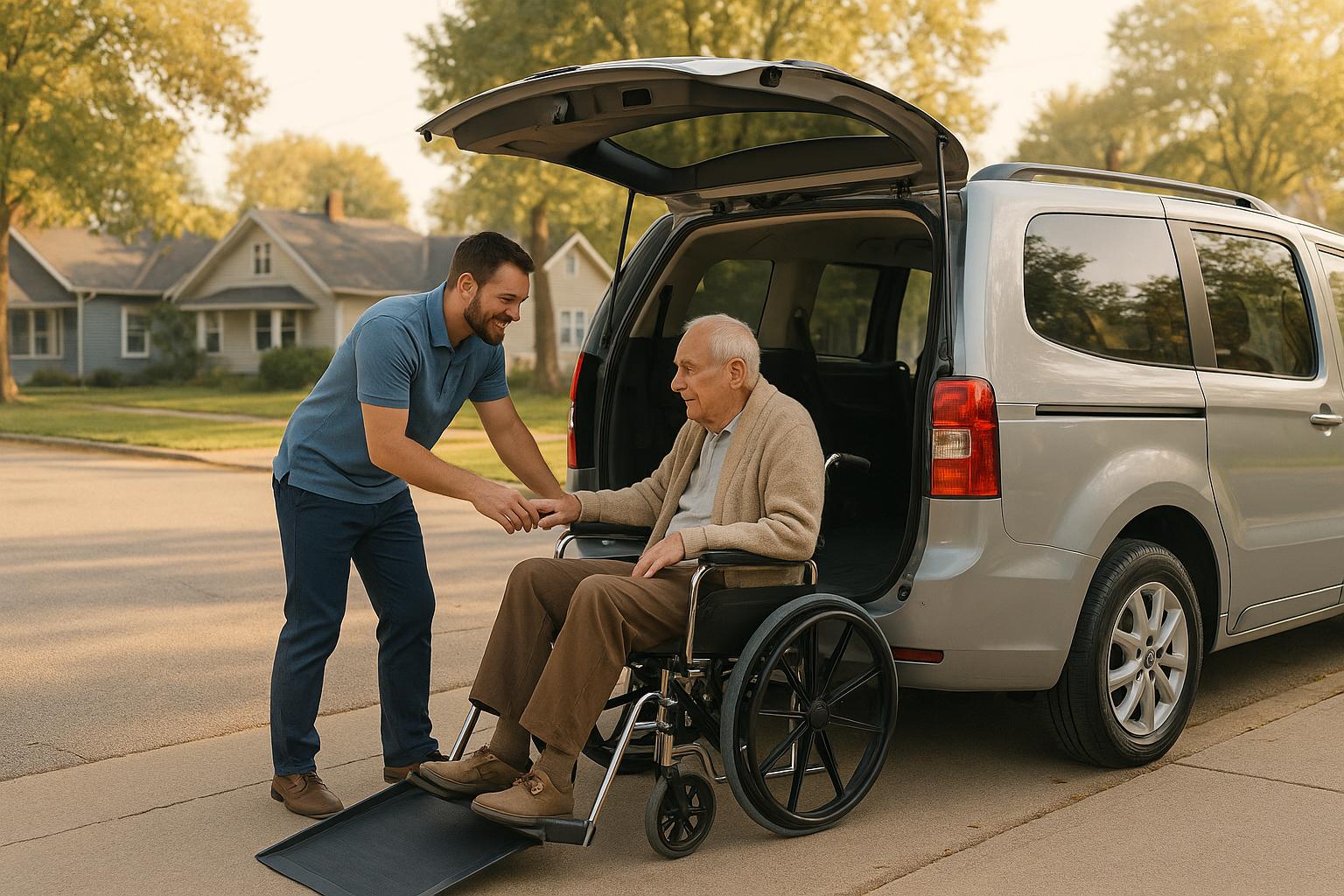
For many dialysis patients, physical barriers can make transportation a daunting challenge. NEMT providers step in to eliminate those hurdles by offering door-to-door pickup services. This means patients avoid long walks, standing outside in unfavorable weather, or struggling with inaccessible building entrances. Drivers assist patients from their front door to the vehicle and again from the vehicle into the dialysis center. After treatment, the same care is provided for the return trip.
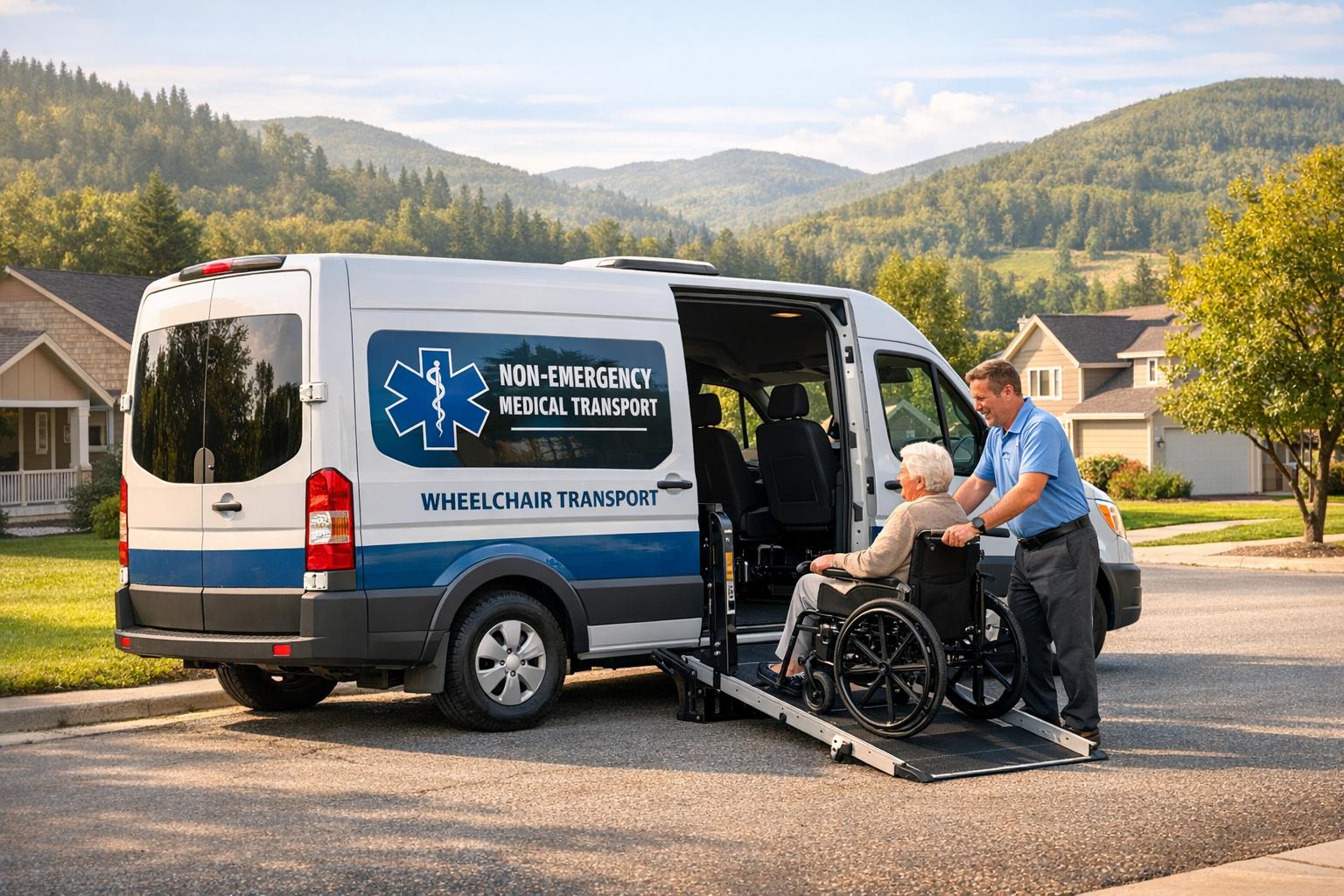
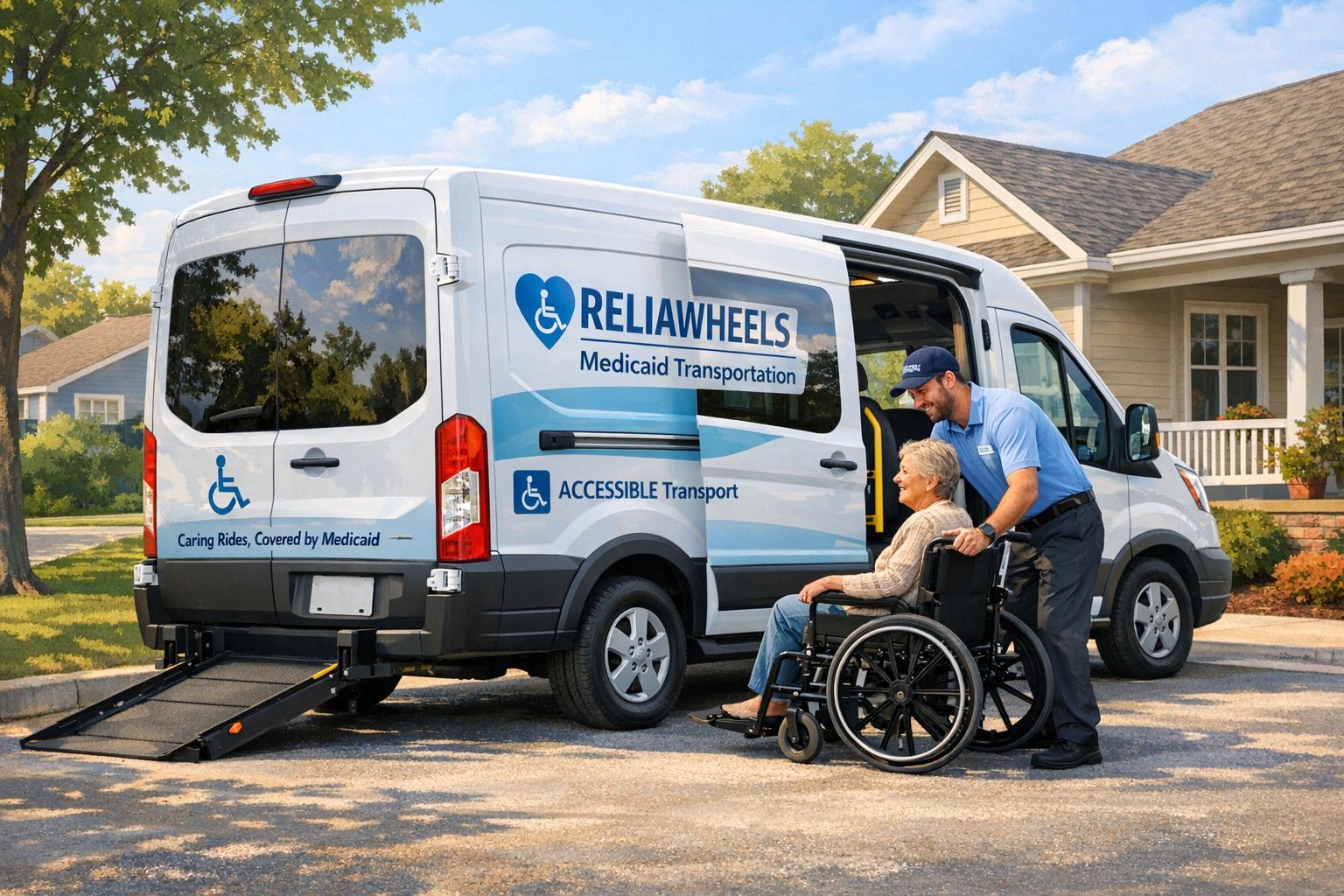
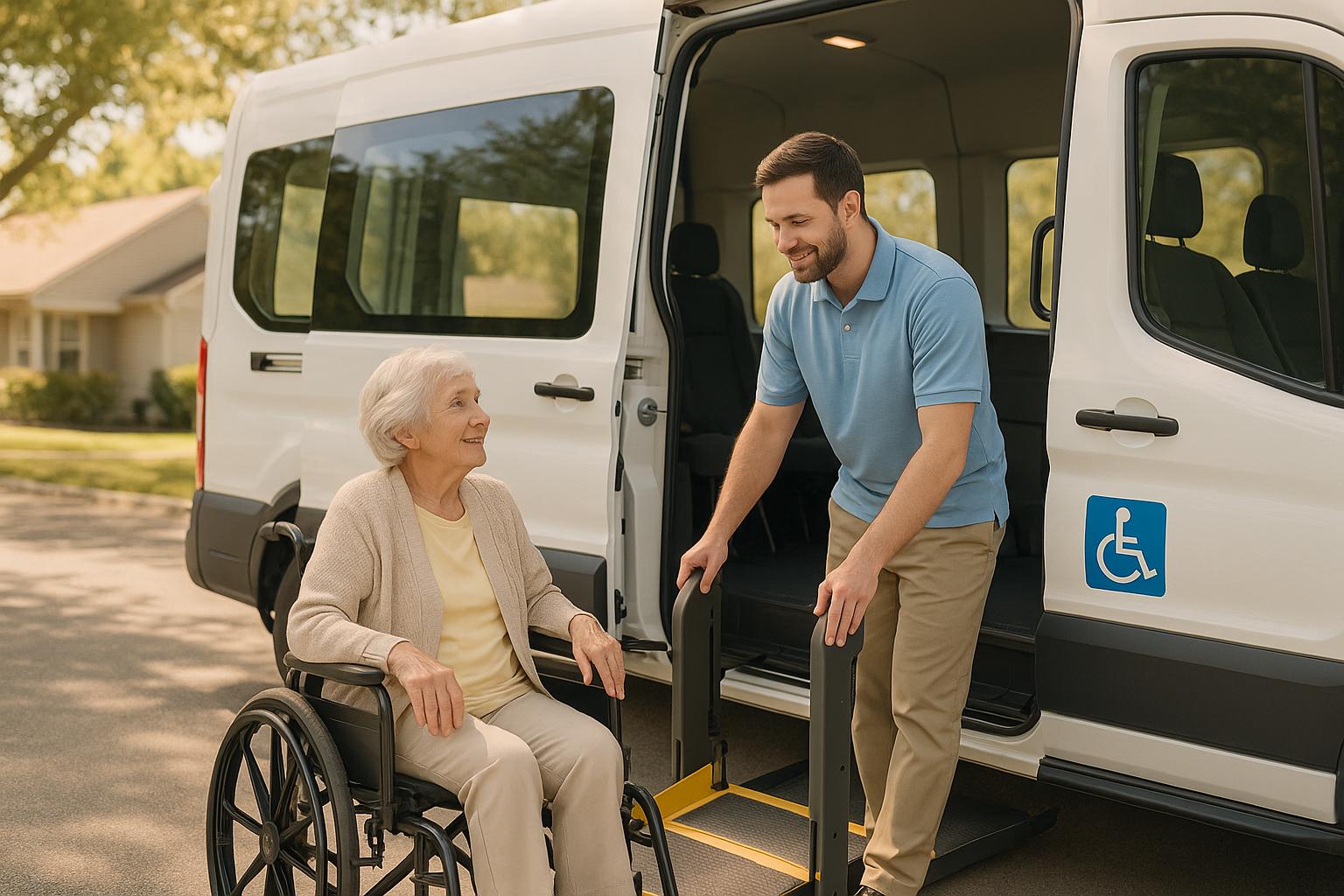
Wheelchair-accessible vans are another essential feature of NEMT services. These vehicles come equipped with ramps, lifts, securement systems, and spacious interiors, allowing patients to remain comfortably seated while traveling. Drivers are trained to operate the equipment, secure wheelchairs with tie-downs, and assist with seat belts or mobility aids like walkers and canes. This attention to detail helps reduce the risk of injury during boarding or exiting the vehicle.
ReliaWheels, a trusted provider in Cleveland, ensures their certified drivers handle mobility equipment with expert care, offering a tailored approach that supports reliable, recurring transportation for dialysis patients.
Recurring and Time-Sensitive Appointment Support
NEMT services go beyond just providing transportation - they help maintain the consistency of patients' dialysis schedules. By setting up recurring reservations, NEMT providers align trips with each patient's regular treatment days. This eliminates the hassle of booking rides before every session and ensures that routes and driver assignments are planned well in advance.
Advanced dispatch systems streamline these recurring trips, allowing for adjustments when clinic schedules change and sending timely reminders to patients. This predictability not only reduces the stress of last-minute arrangements but also reassures patients that their transportation needs are always covered.
To ensure punctuality, providers use tools like advanced booking, route optimization, and real-time tracking. Drivers are often instructed to arrive 10–15 minutes early, giving patients enough time to prepare and board safely. ReliaWheels takes this a step further by coordinating directly with dialysis centers to accommodate any treatment delays or changes, minimizing wait times for patients after their sessions.
Post-Treatment Comfort and Safety
Dialysis treatments can leave patients feeling exhausted, lightheaded, or even nauseated. Recognizing this, NEMT providers prioritize comfort and safety during post-treatment travel. Drivers trained in patient assistance offer physical support, helping patients maintain balance as they move from the clinic chair to the vehicle and back to their home.
Vehicles are designed with patient comfort in mind. Features like climate control, low steps, ramps, and clean, well-maintained seating help ease discomfort after treatment. Drivers can adjust the cabin temperature to meet patients' needs, whether they feel chilled or overheated.
Safety is always the priority. Drivers take extra care to secure seat belts and mobility devices properly and adopt cautious driving practices, such as avoiding sudden stops or rough roads. They also check in with patients during the ride to ensure they feel well. Some providers even wait until patients have safely entered their home or destination before departing.
ReliaWheels emphasizes this patient-focused approach with their commitment to dependable service:
"Door-To-Door Service. Whether it's a holiday or any other day, our staff is available for a hassle-free experience, right from your home to your destination and back."
sbb-itb-a0ce227
Health Outcomes for Dialysis Patients Using NEMT
For dialysis patients in Cleveland, having access to consistent and reliable transportation is about more than just making it to appointments on time. Non-emergency medical transportation (NEMT) services significantly impact clinical outcomes, reduce emergency care costs, and improve overall well-being.
Better Appointment Attendance
Dialysis requires a strict schedule - typically three sessions a week, each lasting 3–4 hours. Missing even one session can disrupt care and lead to serious health risks. For patients without personal vehicles or access to reliable transit, this poses a constant challenge. NEMT services remove these barriers by offering dependable, recurring rides that align with the demanding dialysis schedule.
Studies across the U.S. show that transportation programs for dialysis patients can lower no-show rates by 20–30%. When clinics partner with NEMT providers to arrange recurring rides, patients are more likely to complete their prescribed treatments. This means they get the full dialysis hours needed to maintain their health. Research consistently highlights how reliable transportation improves adherence to treatment schedules and reduces missed appointments.[4]
In Cleveland, NEMT providers emphasize on-time arrivals, door-to-door service, and comprehensive metro coverage. These services take the hassle out of booking rides for each session and ensure patients arrive early. Over time, this reliability allows patients to maintain the consistency needed for effective treatment, avoiding the health risks tied to missed dialysis. By making attendance easier, NEMT helps patients stick to their care plans and lowers the chances of medical crises.
Fewer Emergency Room Visits and Hospital Admissions
Skipping dialysis sessions can destabilize a patient’s condition and lead to more emergency room visits and hospital stays. Nationwide, nearly 4 million people in the U.S. miss or delay medical care annually due to transportation issues. For dialysis patients, the consequences of missed care can be severe. A federal survey of Medicaid adults with disabilities revealed that transportation was the third biggest barrier to accessing care.
NEMT addresses this issue by ensuring patients receive timely, complete dialysis treatments. By sticking to their schedules, patients are less likely to experience the acute complications that lead to emergency care. Hospitals have recognized this link and are investing in transportation programs to reduce costs and improve outcomes. For instance, Denver Health's partnership with Lyft provides rides for just $7.40 per trip, saving significantly compared to emergency department visits or prolonged hospital stays. Similarly, Henry Ford Health System in Detroit collaborates with Lyft to provide rides specifically for dialysis appointments, addressing a critical need.
In Cleveland, where many patients live in areas with limited public transit, NEMT providers offering wheelchair-accessible vehicles and door-to-door assistance are helping high-risk individuals avoid care gaps. Over time, this consistent access reduces hospitalizations for dialysis-related complications and lowers overall health care costs. By preventing emergencies, NEMT not only improves health outcomes but also enhances the day-to-day lives of patients.
Improved Patient Satisfaction and Quality of Life
Beyond medical benefits, NEMT has a noticeable impact on patients’ daily lives. One of the most reported advantages is reduced stress. Knowing a trained driver will arrive on time, assist with boarding, and safely get them home after a tiring session gives patients greater peace of mind and confidence in managing their care routine.
In Cleveland, many NEMT providers go the extra mile, offering door-to-door assistance and drivers familiar with medical needs. Features like real-time updates and predictable pickups further ease anxiety, especially after dialysis sessions. Patients feel more in control and less dependent on others, which boosts their overall quality of life.
Reliable transportation also helps patients attend other essential medical appointments, like visits to primary care doctors or specialists, and even allows them to participate in social activities. Some Cleveland NEMT providers extend their services to non-medical needs, such as trips for holidays or community events. This added independence helps patients maintain social connections and routines that are crucial for emotional well-being. Reduced transportation worries contribute to lower stress levels and better mental health, which indirectly supports their physical health.
For patients in Cleveland’s outer neighborhoods, switching from unreliable paratransit to dedicated NEMT providers has brought noticeable improvements. Arriving early for treatments, feeling secure during travel, and avoiding emergency admissions tied to missed dialysis have helped these individuals regain a sense of normalcy and control over their health care journey. Providers like ReliaWheels play a key role in ensuring dialysis patients receive the dependable, compassionate transportation they need to thrive.
ReliaWheels: NEMT Services for Cleveland Dialysis Patients

ReliaWheels provides specialized non-emergency medical transportation (NEMT) for dialysis patients throughout Greater Cleveland. Their services are designed to meet the unique challenges of dialysis treatment, ensuring patients arrive on time for their essential, often thrice-weekly sessions.
Dialysis-Specific Transportation Features
ReliaWheels operates a versatile fleet to accommodate a wide range of mobility needs. For ambulatory patients who can walk unassisted, standard vehicles are available. Those who rely on wheelchairs, walkers, or similar aids can travel in wheelchair-accessible vans equipped with ramps or lifts. For patients who need to remain lying down or require specific positioning, stretcher-capable vehicles are ready to provide safe, comfortable transport.
"We Don't Just Transport, We Care"
- ReliaWheels
Each vehicle is equipped with features like climate control and secure tie-downs, ensuring a comfortable and safe ride - especially important after lengthy dialysis sessions. Drivers are trained in patient handling, including safe transfers and the operation of specialized equipment like wheelchairs and stretchers.
Imagine an East Cleveland senior who uses a wheelchair and attends hemodialysis three mornings a week. ReliaWheels sets up a recurring schedule for wheelchair-accessible transport, ensuring the patient is picked up and dropped off at consistent times. Drivers assist with boarding, secure the wheelchair, and provide a reliable ride home after treatment. For patients who may become too weak to sit upright, the option to switch to stretcher transport allows them to continue outpatient dialysis without requiring hospitalization. These thoughtful features ensure patients receive consistent care and avoid missed treatments, directly supporting their health.
Reliable Recurring Transport Scheduling
ReliaWheels simplifies the challenge of scheduling repeat rides by creating recurring schedules tailored to each patient’s treatment timetable. Pickup and drop-off times are aligned with clinic check-in and discharge schedules, eliminating the need for patients or caregivers to rebook rides repeatedly. Once a schedule is in place, the system handles confirmations and reminders automatically.
"Time is of the essence when it comes to healthcare and personal needs. We understand the importance of punctuality, ensuring you reach your destination on time, every time."
- ReliaWheels
To further ensure reliability, dispatchers monitor traffic and driver locations in real-time, adjusting routes or reassigning vehicles as needed. Patients and caregivers receive notifications about the driver’s progress, reducing uncertainty and minimizing delays. This well-coordinated approach is tailored specifically for dialysis patients, ensuring a smooth and predictable experience.
Patient Comfort and Safety Standards
Dialysis treatments can leave patients feeling fatigued, dizzy, or nauseated. ReliaWheels addresses these challenges by prioritizing patient comfort and safety. Drivers provide hands-on assistance with boarding and exiting vehicles, and the fleet is maintained to high standards to create a calm, secure environment during transit. Extra care is taken to help patients navigate stairs, walkways, or doorways, ensuring they never feel rushed.
"At ReliaWheels, our customers' safety comes first."
- ReliaWheels
Respectful communication is another cornerstone of ReliaWheels' service. Drivers are trained to assist patients while respecting their privacy, adhering to HIPAA guidelines. Whether a patient prefers a quiet ride or light conversation, the team is attentive to their emotional and physical needs.
ReliaWheels serves the Greater Cleveland area, including urban neighborhoods and nearby suburbs. They offer door-to-door service from private homes, assisted living facilities, and nursing homes. For patients traveling to dialysis centers located farther away (over 50 miles), transportation can be arranged with advance notice. In collaboration with local clinics, ReliaWheels coordinates pickup and drop-off times with clinic schedules, ensuring seamless transitions.
The service accepts Medicare, Medicaid, and many private insurance plans for medically necessary transportation. For patients without coverage, direct-pay options and package pricing for recurring trips provide an affordable and predictable solution.
To get started, patients or caregivers simply provide ReliaWheels with key details, including their home address, dialysis center location, treatment schedule, mobility requirements (ambulatory, wheelchair, or stretcher), and insurance information. The team verifies coverage or discusses self-pay options, then creates a recurring schedule that accounts for every step of the treatment process, including check-in and recovery time. Patients receive clear instructions and confirmation of their schedule, ensuring a smooth experience from start to finish.
Conclusion
For dialysis patients in Cleveland, reliable transportation is more than a convenience - it's a lifeline. Non-Emergency Medical Transportation (NEMT) ensures patients can access the life-sustaining, three-times-a-week treatments they depend on. Without dependable rides, missed sessions can lead to serious health risks, including emergency visits and complications that could have been avoided.
NEMT providers like ReliaWheels are stepping in to remove these barriers. With door-to-door service, wheelchair-accessible vehicles, and stretcher transport options, they make sure even patients with limited mobility can safely and punctually reach their dialysis centers. Their trained drivers understand the unique challenges patients face, such as post-treatment fatigue, offering not just transportation but also comfort and peace of mind. This highlights how essential reliable NEMT services are for maintaining consistent treatment schedules.
The benefits of dependable NEMT go far beyond just getting to appointments. Patients with access to scheduled, recurring rides are more likely to attend all their treatments, experience fewer health emergencies, and avoid costly hospital stays. Knowing that transportation is taken care of eases stress for both patients and their families, allowing them to focus on health instead of worrying about logistics. For many, NEMT services significantly improve quality of life by eliminating the need to rely on family members for frequent rides or navigate complicated public transit systems while exhausted.
ReliaWheels stands out by treating transportation as a vital part of dialysis care, not an afterthought. Their recurring scheduling, specialized vehicles, and flexible payment options - including Medicaid and Medicare coverage - make it possible for patients across Greater Cleveland to attend treatments consistently. By combining precision scheduling, tailored vehicle options, and a patient-first approach, ReliaWheels ensures that dialysis patients can count on dependable transportation, ultimately improving their health and stability.
FAQs
How does non-emergency medical transportation help dialysis patients in Cleveland?
Non-emergency medical transportation (NEMT) plays a key role in helping dialysis patients in Cleveland get to their treatments consistently. Dialysis sessions are crucial for managing kidney health, and missing even one appointment can lead to serious health risks. NEMT services offer reliable, door-to-door transportation, ensuring patients arrive at their appointments safely and on schedule.
These services are particularly helpful for those with mobility issues. Many NEMT providers offer wheelchair-accessible vehicles and even specialized options like stretcher transport. By taking the hassle out of arranging rides, NEMT allows patients to focus on their health and maintain their overall well-being.
What health risks do dialysis patients face if they miss or delay treatments due to transportation challenges?
Missing or delaying dialysis treatments can have severe consequences for a patient's health. Dialysis plays a crucial role in filtering out waste, toxins, and excess fluids when the kidneys can no longer do the job. Skipping even one session can cause fluid buildup and rising toxin levels, which may lead to complications like shortness of breath, high blood pressure, or, in extreme cases, life-threatening conditions such as heart failure.
One major challenge for many dialysis patients is transportation. Without a reliable way to get to their appointments, they risk missing treatments and endangering their health. This is where non-emergency medical transportation (NEMT) services make a big difference. These services ensure patients have dependable and accessible rides, helping them stay on track with their treatments and safeguard their well-being.
How does ReliaWheels provide safe and comfortable transportation for dialysis patients in Cleveland?
ReliaWheels puts the safety and comfort of dialysis patients first by employing drivers who are fully licensed, certified, and trained to assist individuals with medical needs. Their door-to-door service is designed to reduce stress, ensuring patients arrive at their appointments on time and return home safely.
For clients with mobility challenges, ReliaWheels offers wheelchair-accessible vehicles and specialized stretcher transport options. Every ride is customized to meet the specific needs of each passenger, providing reliable and thoughtful care throughout the journey.