
Getting to therapy should be simple, but for many, it's not. Transportation issues prevent thousands from attending therapy sessions, delaying recovery and worsening health. Key barriers include unreliable public transit, mobility challenges, scheduling conflicts, and high costs. For example, 7% of rural adults miss healthcare appointments due to transportation problems, compared to 5% in urban areas.
The impact? Missed sessions, increased stress, and poorer health outcomes. Patients with disabilities, chronic conditions, or limited income face even greater hurdles. Fortunately, solutions like Non-Emergency Medical Transportation (NEMT), telehealth, flexible scheduling, and community support are making a difference.
Quick Takeaways:
- Public transit often doesn’t align with therapy schedules, especially in rural areas.
- Mobility issues and inaccessible vehicles create additional obstacles.
- High transportation costs make therapy unaffordable for many.
- Services like NEMT and telehealth are helping bridge these gaps.
Transportation should never be a barrier to recovery. Let’s explore practical ways to ensure therapy access for everyone.
Stranded - transportation for mental health services
Common Transportation Challenges for Therapy Patients
Therapy patients across the U.S. often face a tangle of transportation issues that disrupt their ability to receive consistent care. From unreliable transit systems to financial strain, these barriers can seriously hinder treatment progress.
Insufficient Public Transportation
Public transit systems frequently fall short of meeting therapy patients' needs, whether in rural or urban areas. Challenges like inconvenient schedules, mismatched timing with medical appointments, and infrequent service make it difficult for patients to get to their therapy sessions.
In rural areas, the situation is even tougher. Patients often deal with long distances, limited transit options, and difficult road conditions, making travel to therapy a significant ordeal. Urban areas may have more transit options, but even there, therapy appointments often don’t align with bus or train schedules. For instance, a patient might need to take multiple buses to reach a physical therapy clinic, turning what could be a short drive into a time-consuming journey. Missing a single connection could mean missing the entire appointment.
Some programs aim to address these gaps. For example, HealthTran in South Central Missouri provides non-emergency transportation to help patients access primary and preventive care on time. But even with such initiatives, many patients still face significant hurdles, especially those compounded by mobility challenges.
Mobility and Accessibility Issues
For patients with physical disabilities or special needs, transportation can be a significant obstacle. Many public transit vehicles aren’t equipped to handle wheelchairs, walkers, or other mobility aids. While para-transit services do exist and provide point-to-point rides in mini-buses, the process to set up these services can take weeks. Additionally, trips often require advance scheduling, creating delays that are particularly problematic for patients starting new therapy regimens.
Patients with sensory sensitivities, cognitive impairments, or balance issues also face unique challenges. Crowded buses or trains can be overwhelming, and navigating transfers or boarding can cause physical discomfort or confusion. These barriers not only delay access to therapy but also make sticking to a consistent schedule incredibly difficult.
Scheduling Conflicts
Therapy patients often struggle to balance their appointments with daily life. Work commitments, caregiving responsibilities, and other routines can make it hard to fit therapy into their schedules. Physical and occupational therapy often require regular, structured sessions, and missing even a few can slow recovery progress.
When public transit schedules don’t align with appointment times, patients may need to take extra time off work. What could have been a quick appointment may stretch into a full-day commitment, forcing some to choose between their job and their health. Initiatives like Rush University Medical Center’s partnership with Lyft aim to bridge this gap by providing rides for patients who face challenges with public transit due to medical conditions, medication effects, or safety concerns.
Cost Barriers
Transportation costs can quickly pile up for patients attending frequent therapy sessions. Expenses like rideshare fees, gas, parking, and specialized transport services can become overwhelming, especially for those on tight budgets. For example, a patient attending physical therapy three times a week could spend around $15 per trip each way, adding up to roughly $360 a month. For those living on fixed incomes or earning minimum wage, this can be unsustainable.
A 2005 Transit Cooperative Research Program study highlighted that providing transportation for medical care to low-income patients, older adults, and individuals with disabilities not only improves quality of life but is also cost-effective. Some healthcare facilities, like Loyola University Medical Center in Maywood, Illinois, have taken steps to help by arranging public transportation, subsidizing travel costs, or using patient assistance funds. However, these efforts are still the exception rather than the rule.
Volunteer programs like Road to Recovery offer free rides using drivers’ personal vehicles and insurance. While these programs help many patients, they often fall short for those with severe mobility challenges who require wheelchair-accessible vehicles or stretcher transport.
Without affordable transportation options, many therapy patients are forced to skip appointments they simply can’t afford to attend. This disrupts their treatment plans and often leads to worse health outcomes over time.
How Transportation Problems Affect Therapy Results
Transportation issues can significantly disrupt therapy, leading to missed appointments, increased stress, and worsening health over time. These challenges often undermine the effectiveness of treatment and create barriers to achieving long-term health improvements.
Missed Sessions and Interrupted Treatment
Therapy relies heavily on consistency. Whether it’s physical therapy, occupational therapy, or mental health counseling, each session builds on the last. Missing even a few appointments can seriously derail progress. For example, 7% of rural adults aged 18 to 64 missed a healthcare appointment within a year due to transportation problems, compared to 5% of urban adults. This makes rural patients about 40% more likely to miss therapy sessions.
For someone recovering from knee surgery, missing therapy sessions can delay progress by weeks or even months. Regular sessions are essential to restore strength and mobility. Without consistent attendance, patients face slower recovery, reduced pain relief, and extended timelines before they can return to work or daily activities. Interrupted treatment not only prolongs recovery but also limits the effectiveness of therapy, leaving patients without the full benefits of care.
Higher Stress and Anxiety Levels
Transportation challenges often create additional stress for patients, which can undermine their therapy. Concerns about traffic, parking, or unreliable public transit can leave patients anxious before they even arrive at their session. For individuals already managing mental health conditions, this added stress can worsen their symptoms and reduce the effectiveness of their treatment.
Imagine a patient battling depression or anxiety. The unpredictable nature of their commute - whether it’s a late bus or difficulty finding a ride - can compound the very issues they’re trying to address. By the time they reach their therapy session, they may already feel drained or overwhelmed, making it harder to engage in the therapeutic process. The lack of control over transportation adds another layer of unpredictability, which can be particularly damaging for mental health recovery.
Worsening Health Over Time
The long-term impact of transportation issues on health is profound. According to the Transit Cooperative Research Program, a lack of reliable transportation leads to missed appointments, disrupted treatments, poorer health outcomes, and increased physical and emotional stress.
For instance, a patient with chronic back pain who needs weekly physical therapy might only attend sporadically due to unreliable transportation. Over time, their condition worsens, potentially leading to more severe health problems that require costly interventions. This downward spiral is especially pronounced for vulnerable groups such as older adults, people with disabilities, and low-income individuals, who often face additional barriers to accessing care.
More than one in five adults without adequate public transit access skip healthcare altogether due to transportation barriers. When therapy appointments are missed, conditions don’t just remain stagnant - they deteriorate. Physical mobility declines, chronic pain intensifies, and mental health symptoms worsen. For these patients, consistent access to transportation could mean the difference between manageable conditions and serious health crises.
Studies show that providing transportation to low-income patients, seniors, and those with disabilities is not only cost-effective but also improves overall quality of life. Yet, without reliable solutions, many therapy patients continue to face avoidable setbacks, struggling with interrupted care and worsening health that could have been prevented.
sbb-itb-a0ce227
Solutions for Therapy Transportation Problems
Addressing therapy transportation challenges requires practical and personalized solutions. From specialized transportation services to technology-driven alternatives, there are various ways to ensure patients can consistently access their treatments. The goal is to find the right mix of options that align with each patient’s unique circumstances and needs. Below are some effective strategies to tackle transportation barriers, covering everything from scheduling to community support.
Non-Emergency Medical Transportation (NEMT) Services
For patients struggling with unreliable public transit or mobility limitations, Non-Emergency Medical Transportation (NEMT) services provide a dependable solution. These services are specifically designed for individuals with chronic care or recovery needs, offering features that standard ride services often lack.
NEMT providers offer door-to-door transportation with trained drivers who understand medical requirements. They use vehicles equipped for patients with mobility challenges, such as wheelchair-accessible vans or stretcher transport. This ensures that even those with physical limitations can attend therapy appointments without added stress or safety concerns.
Consistent transportation plays a key role in maintaining therapy schedules. Missing physical or occupational therapy sessions can slow recovery, prolong pain, or hinder mobility improvements. Reliable services like NEMT help patients stick to structured therapy plans, which supports faster recovery and better long-term outcomes.
Take ReliaWheels in Cleveland, Ohio, as an example. This provider offers door-to-door rides, long-distance travel, and custom trip planning for therapy appointments. Their fleet includes wheelchair-accessible vehicles and trained, CPR-certified drivers who cater to patients’ specific needs. By addressing accessibility and scheduling conflicts, services like these remove significant barriers to care.
Telehealth Therapy Options
For patients facing severe transportation challenges, telehealth therapy offers a practical alternative. By delivering therapy sessions remotely, telehealth eliminates the need for travel altogether. This is especially helpful for patients living several miles from treatment centers or those with limited mobility.
Telehealth is particularly effective for mental health counseling and some occupational therapies that don’t require physical intervention. Patients can attend sessions from the comfort of their homes, avoiding the stress of traffic, parking, or unreliable public transit. This consistency helps maintain treatment progress and reduces the risk of interruptions that could derail recovery.
However, telehealth isn’t suitable for every type of therapy. Physical therapy, for instance, often requires in-person assessments and hands-on techniques that can’t be replicated virtually. A balanced approach works best - combining telehealth for appropriate sessions with in-person visits when physical presence is essential.
Flexible Scheduling Options
When telehealth isn’t an option, flexible scheduling can make in-person therapy more accessible. Aligning therapy appointments with available transportation options can significantly improve attendance rates. Many transportation challenges stem from mismatched schedules or infrequent transit services.
Healthcare facilities that offer consistent and predictable scheduling for medical trips can reduce travel times and improve reliability. Consolidating multiple healthcare appointments into fewer trips can also ease the burden on patients managing multiple conditions or treatments.
To further support patients, clinics should adopt flexible policies that allow for late arrivals due to transportation delays. Some facilities even use mobility managers to coordinate appointment times with transportation availability, ensuring patients can attend their sessions without unnecessary obstacles.
Community and Family Support
Community organizations, volunteer drivers, and family caregivers often step in to fill transportation gaps. These informal networks are especially crucial for patients in rural areas or those with limited financial resources.
Programs like the American Cancer Society’s Road to Recovery provide free, volunteer-driven transportation nationwide. Healthcare providers can strengthen these efforts by partnering with local organizations and connecting patients to transportation assistance programs.
Family members and caregivers are a common source of support, but relying solely on them isn’t always sustainable. Evidence shows that combining multiple solutions - such as transportation assistance, bus passes, taxi vouchers, and reimbursed travel costs - can improve healthcare access and outcomes, particularly for older adults and women.
Care teams should also be trained to guide patients toward insurer-provided travel assistance and other available resources. By building a comprehensive network that includes NEMT services, telehealth, flexible scheduling, and community support, healthcare providers can ensure transportation challenges don’t stand in the way of patients receiving the therapy they need to recover and thrive.
How ReliaWheels Helps Cleveland Therapy Patients
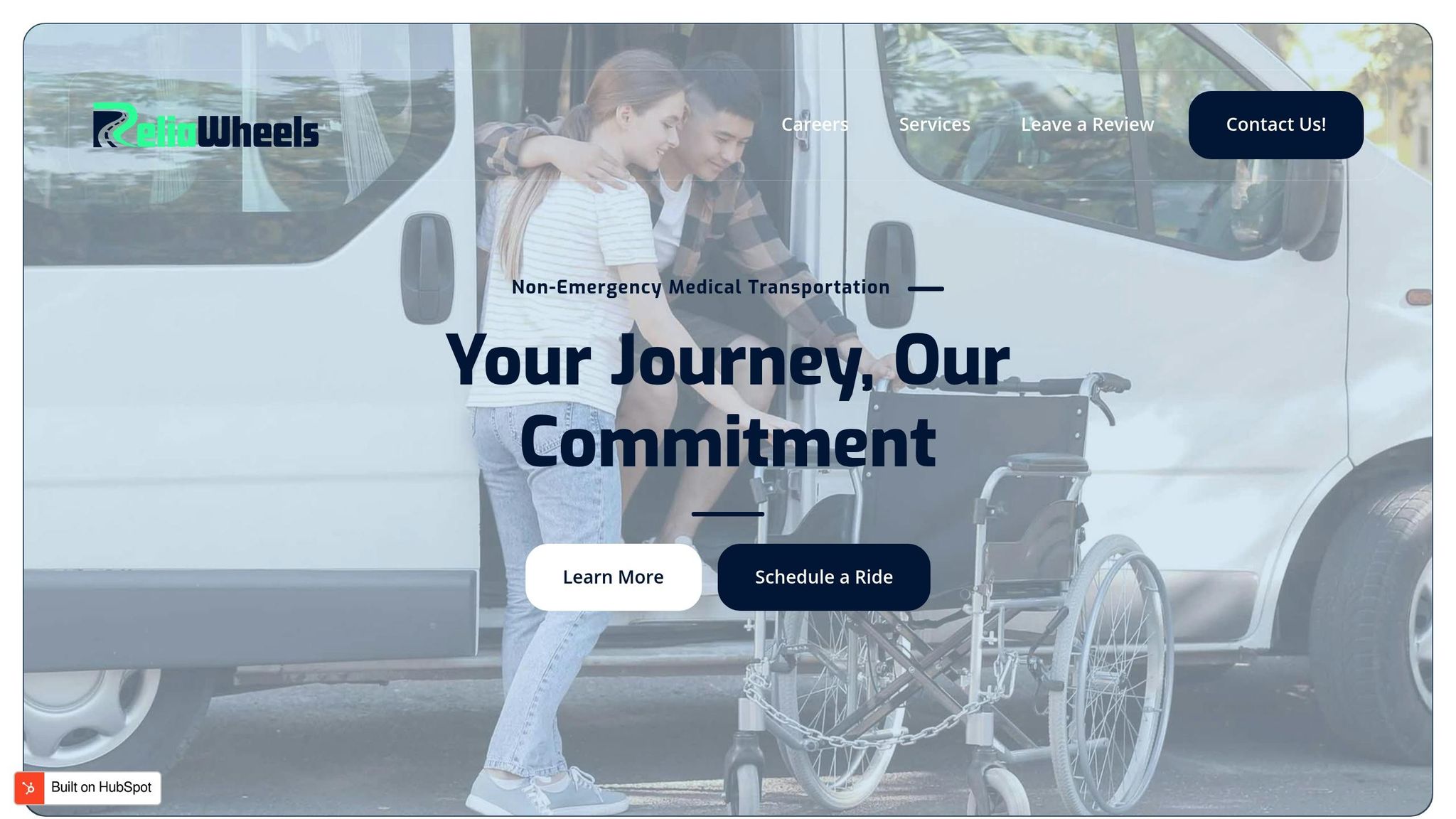
For Cleveland residents navigating the challenges of therapy transportation, ReliaWheels provides a lifeline with its specialized non-emergency medical transportation services. Designed to address specific medical and logistical needs, these services tackle obstacles like mobility issues and scheduling conflicts, ensuring patients can access their therapy sessions without interruption. Here’s how ReliaWheels is making a difference for therapy patients in Cleveland.
Wheelchair and Stretcher Transport
Mobility challenges shouldn’t stand in the way of essential therapy. ReliaWheels operates wheelchair-accessible vans equipped to safely transport individuals who rely on mobility aids. For those needing additional support, the company also offers stretcher transport, complete with specialized equipment and trained staff. This service is especially critical for patients with severe mobility restrictions or those recovering from surgery, enabling them to attend vital therapy appointments. According to research, providing transportation for medical care to low-income individuals, older adults, and patients with disabilities not only improves quality of life but is also cost-effective.
Door-to-Door Service with Trained Drivers
ReliaWheels goes beyond just accessible vehicles by offering true door-to-door service. Patients are picked up directly from their homes and transported to their therapy centers, eliminating worries about parking, traffic, or complicated transfers. The drivers at ReliaWheels are CPR-certified professionals trained to assist with medical needs, ensuring a safe and supportive experience. Their compassionate approach helps ease travel-related stress, while their focus on punctuality ensures patients arrive at their appointments on time - an essential factor in maintaining consistent therapy schedules.
Long-Distance and Custom Trip Planning
For patients requiring therapy outside Cleveland, ReliaWheels provides long-distance transportation, even extending services across state lines when needed. This is especially beneficial for individuals seeking specialized rehabilitation or advanced therapeutic care. Additionally, the company offers airport pickups for those traveling for treatment. Beyond standard appointments, ReliaWheels specializes in custom trip planning, accommodating unique schedules and needs. Whether it’s weekly therapy sessions or multiple appointments in a single day, they ensure transportation is seamless and stress-free.
Studies show that comprehensive approaches combining transportation assistance with other personalized services can significantly improve health outcomes, particularly for older adults and women.
Conclusion
Transportation challenges often lead to missed therapy sessions, disrupted treatment plans, and added stress for patients. Studies show that rural patients, in particular, face higher rates of missed appointments. These absences can delay recovery, worsen chronic conditions, and drive up overall healthcare costs.
The most effective solutions combine multiple strategies - such as transportation assistance, care coordination, and flexible scheduling - to meet the needs of vulnerable populations. Non-emergency medical transportation services tackle issues that public transit cannot, offering door-to-door service, accommodating mobility limitations, and ensuring timely arrivals for critical therapy sessions. In Cleveland, these solutions are made tangible through specialized services.
One standout example in Cleveland is ReliaWheels. This service directly addresses transportation barriers by offering wheelchair-accessible vehicles, stretcher transport options, and CPR-certified drivers. Their door-to-door service eliminates the hassle of navigating traffic, finding parking, or dealing with complicated transfers. For those needing to travel long distances for specialized therapy, ReliaWheels ensures access remains within reach.
Research highlights that providing dependable transportation for low-income, older, and disabled individuals is not only cost-effective but also significantly enhances their quality of life. Reliable access to therapy helps patients recover faster, experience less pain, and achieve better overall health outcomes.
FAQs
How can Non-Emergency Medical Transportation (NEMT) services support patients with mobility challenges in getting to their therapy sessions reliably?
Non-emergency medical transportation (NEMT) services are essential for patients facing mobility challenges, ensuring they can attend therapy sessions regularly and without unnecessary stress. By offering door-to-door transportation, these services make it possible for individuals to reach their appointments safely and punctually.
Companies such as ReliaWheels provide wheelchair-accessible vehicles and even stretcher transport for those requiring additional care. This thoughtful approach allows patients to concentrate on their recovery, leaving transportation concerns behind.
How can telehealth therapy help patients who struggle with transportation issues?
Telehealth therapy makes accessing care easier for those who struggle with transportation. By allowing therapy sessions to happen over video or phone calls, it removes the hassle of traveling to appointments, saving both time and energy.
This option is particularly helpful for people with mobility challenges, residents in rural or remote locations, or anyone juggling a packed schedule. It ensures they can get the support they need without the extra stress of figuring out how to get to a physical office.
How do transportation costs affect therapy attendance, and what are some ways to make it more affordable for patients with limited income?
Transportation costs often pose a challenge for patients trying to keep up with regular therapy sessions, especially for those managing tight budgets. Expenses like gas, parking fees, or ride services can add up quickly, making it harder to stick to a consistent treatment plan and potentially slowing down recovery.
One way to ease this burden is by looking into non-emergency medical transportation (NEMT) services. For instance, ReliaWheels provides affordable, door-to-door transportation for therapy appointments in Cleveland, Ohio. Their services cater to various mobility needs, including wheelchair-accessible vehicles, helping make therapy more attainable for individuals with limited financial resources.