### Our Services: [ambulatory NEMT,](https://reliawheels.com/ambulatory-nemt-services-cleveland-oh-reliawheels-transportation)[wheelchair transport,](https://reliawheels.com/wheelchair-accessible-medical-transportation-in-cleveland)[stretcher transport,](https://reliawheels.com/stretcher-nemt-cleveland-oh)[dialysis transportation,](https://reliawheels.com/dialysis-nemt-cleveland-akron)[Bariatric transport](https://reliawheels.com/reliawheels-insights/bariatric-medical-transport-cleveland-specialized-vehicles-comfort-safety)
[See what medical transport costs](https://reliawheels.com/reliawheels-insights/medical-transport-cost)
[Schedule a Ride Today](https://reliawheels.com/schedule-a-ride)
## Related Blog Posts
- [What Does Medical Transport Cost?](https://reliawheels.com/reliawheels-insights/medical-transport-cost)
- [How to Prepare for Stretcher Transport](https://reliawheels.com/reliawheels-insights/prepare-for-stretcher-transport)
- [7 Benefits of Door-to-Door Medical Rides](https://reliawheels.com/reliawheels-insights/benefits-door-to-door-medical-rides)
- [How Technology Shapes Patient-Centered Transport Platforms](https://reliawheels.com/reliawheels-insights/technology-shapes-patient-centered-transport-platforms)
- [Complete Guide to NEMT](https://reliawheels.com/reliawheels-insights/complete-guide-non-emergency-transport)
## Related Articles
[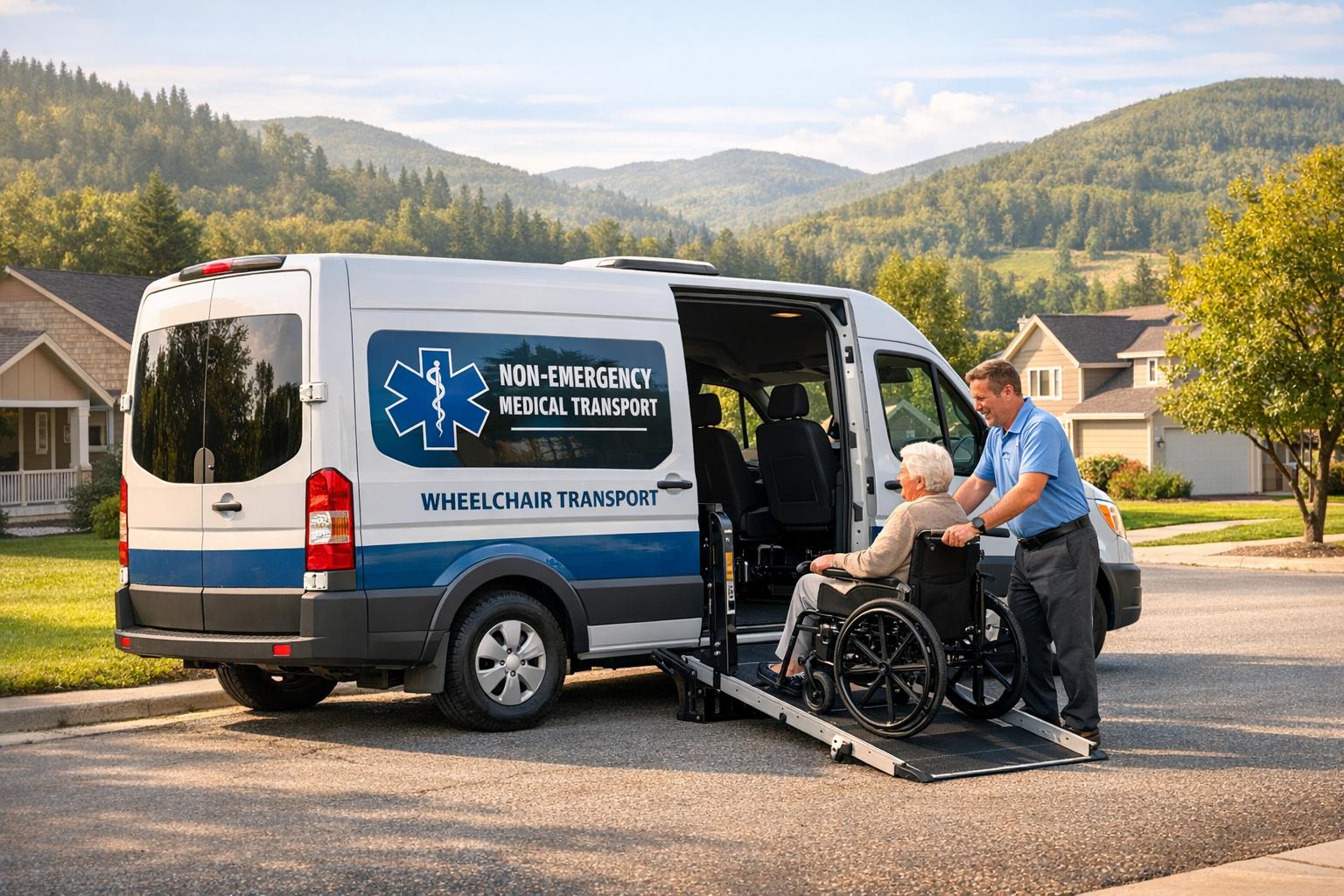](https://reliawheels.com/reliawheels-insights/best-non-emergency-ambulance-alternatives-summit-county)
[NEMT](https://reliawheels.com/reliawheels-insights/tag/nemt)
### [The Best Non-Emergency Ambulance Alternatives in Summit County](https://reliawheels.com/reliawheels-insights/best-non-emergency-ambulance-alternatives-summit-county)
December 19, 2025
Non-emergency medical transportation (NEMT) is crucial for individuals in Summit County who need reliable rides to...
[Read more](https://reliawheels.com/reliawheels-insights/best-non-emergency-ambulance-alternatives-summit-county)
[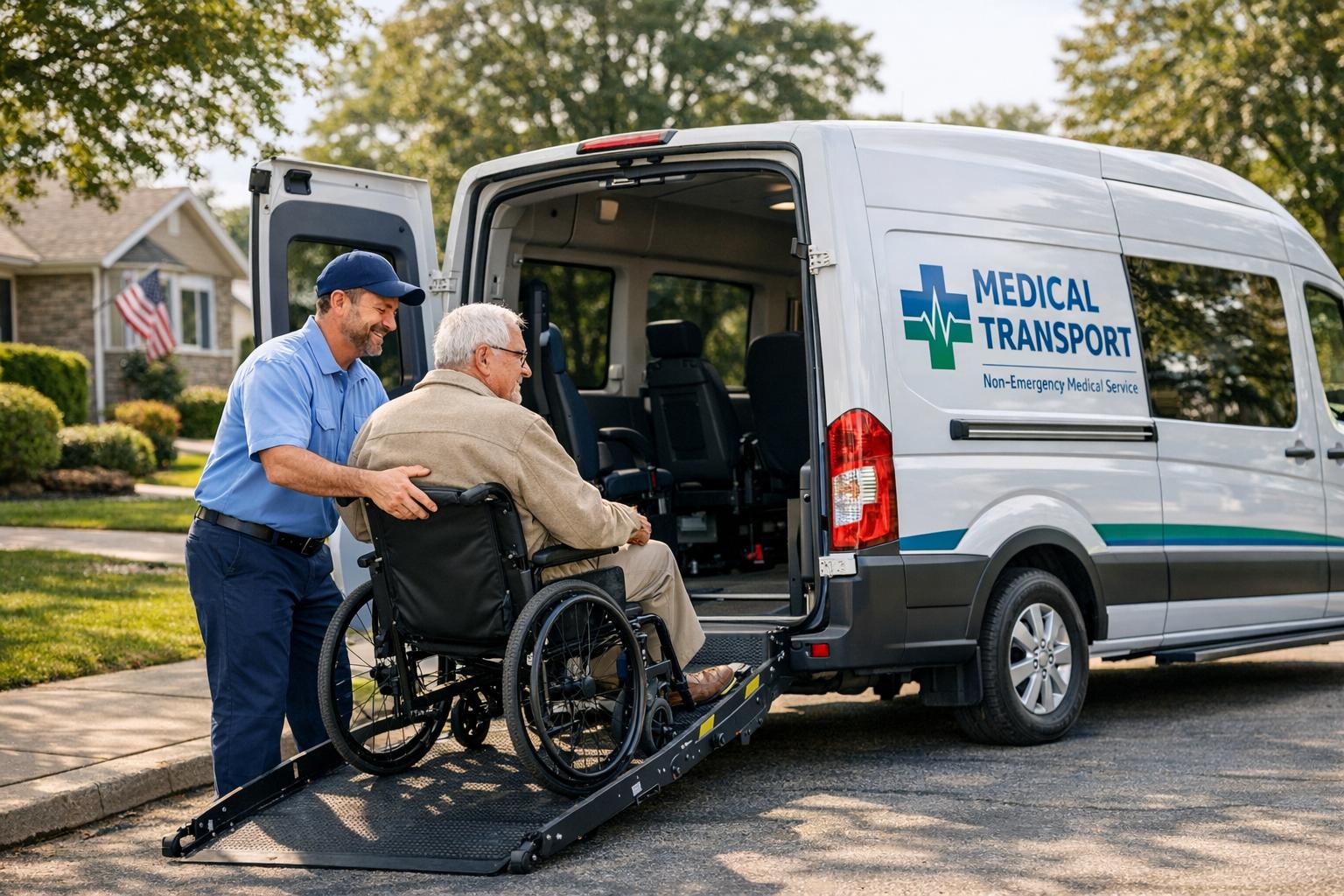](https://reliawheels.com/reliawheels-insights/finding-medical-transportation-near-me-cleveland-akron-suburbs)
[NEMT](https://reliawheels.com/reliawheels-insights/tag/nemt)
### [Finding Medical Transportation Near Me: Serving Cleveland, Akron, and Surrounding Suburbs](https://reliawheels.com/reliawheels-insights/finding-medical-transportation-near-me-cleveland-akron-suburbs)
December 18, 2025
Getting to medical appointments without personal transportation can be challenging. Non-Emergency Medical...
[Read more](https://reliawheels.com/reliawheels-insights/finding-medical-transportation-near-me-cleveland-akron-suburbs)
[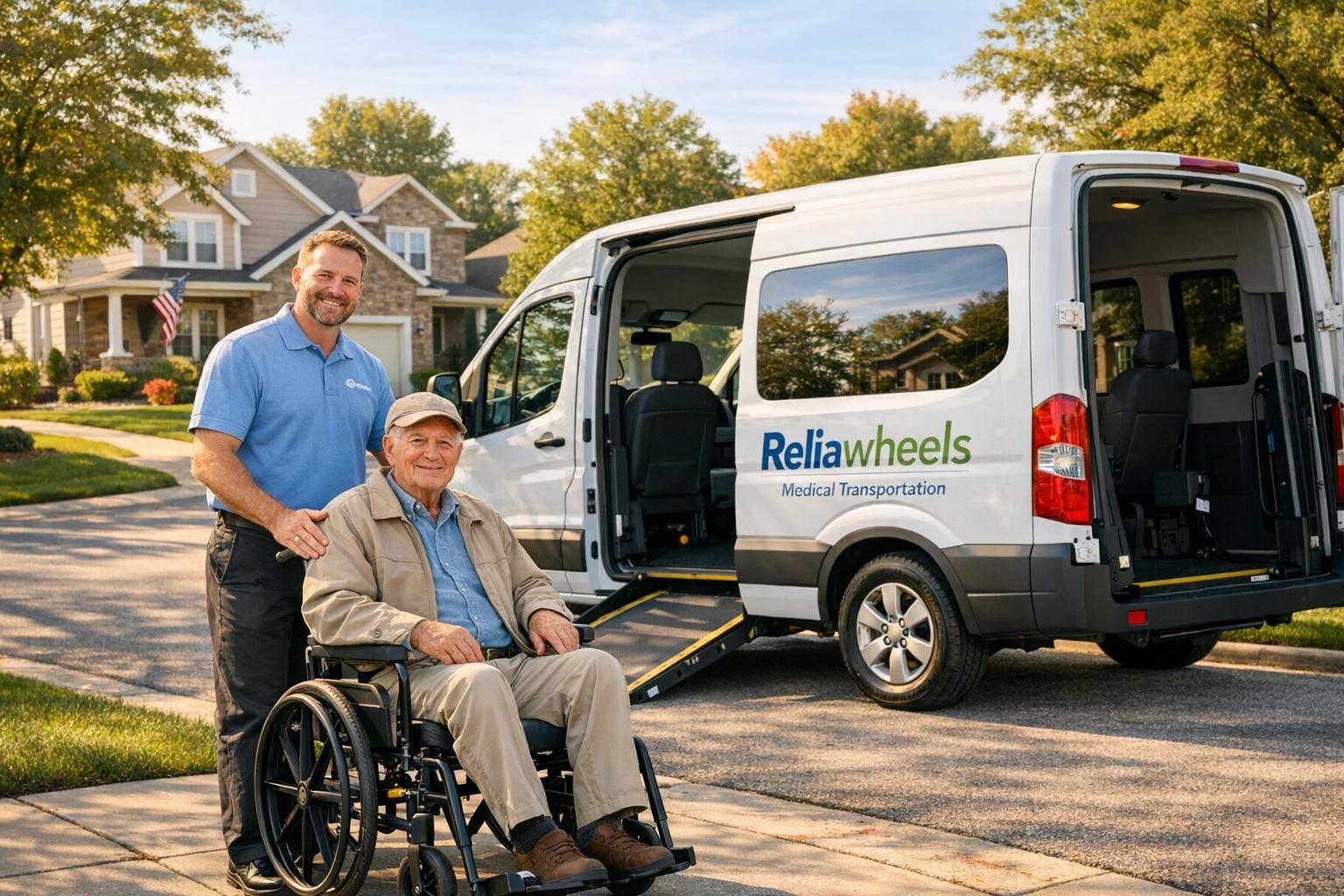](https://reliawheels.com/reliawheels-insights/reliawheels-service-area-spotlight-reliable-medical-rides-parma-strongsville)
[NEMT](https://reliawheels.com/reliawheels-insights/tag/nemt)
### [Reliawheels Service Area Spotlight: Reliable Medical Rides in Parma and Strongsville](https://reliawheels.com/reliawheels-insights/reliawheels-service-area-spotlight-reliable-medical-rides-parma-strongsville)
December 20, 2025
Reliawheels offers dependable non-emergency medical transportation (NEMT) in Parma and Strongsville, ensuring residents...
[Read more](https://reliawheels.com/reliawheels-insights/reliawheels-service-area-spotlight-reliable-medical-rides-parma-strongsville)
Check all articles
### Need a ride to your next appointment?
Book non-emergency medical transportation across Cuyahoga, Lorain and Medina counties.
[Schedule a Ride](https://reliawheels.com/schedule-a-ride)
```json
{
"@context" : "https://schema.org",
"@type" : "BlogPosting",
"author" : {
"@type" : "Person",
"name" : "Nik S.",
"url" : "https://reliawheels.com/reliawheels-insights/author/nik-s"
},
"dateModified" : "2026-03-20T14:48:09.679Z",
"datePublished" : "2025-11-26T06:22:18.000Z",
"headline" : "How Insurance Covers Medical Transportation",
"image" : [ "https://assets.seobotai.com/cdn-cgi/image/quality=75,w=1536,h=1024/reliawheels.com/69262c44df12e5e3fe79c600-1764139159067.jpg" ],
"mainEntityOfPage" : {
"@id" : "https://reliawheels.com/reliawheels-insights/insurance-covers-medical-transportation",
"@type" : "WebPage"
},
"publisher" : {
"@type" : "Organization",
"logo" : {
"@type" : "ImageObject",
"url" : "https://reliawheels.com/hubfs/ReliaWheels-1.png"
}
}
}
```
```json
{
"@context" : "https://schema.org",
"@id" : "https://reliawheels.com/#localbusiness",
"@type" : "LocalBusiness",
"address" : {
"@type" : "PostalAddress",
"addressCountry" : "US",
"addressLocality" : "Brook Park",
"addressRegion" : "OH",
"postalCode" : "44142",
"streetAddress" : "16101 Snow Rd, Ste 200"
},
"areaServed" : [ {
"@type" : "AdministrativeArea",
"name" : "Cuyahoga County, Ohio"
}, {
"@type" : "AdministrativeArea",
"name" : "Lorain County, Ohio"
}, {
"@type" : "AdministrativeArea",
"name" : "Medina County, Ohio"
}, {
"@type" : "City",
"name" : "Cleveland, Ohio"
}, {
"@type" : "City",
"name" : "Parma, Ohio"
}, {
"@type" : "City",
"name" : "Parma Heights, Ohio"
}, {
"@type" : "City",
"name" : "Brooklyn, Ohio"
}, {
"@type" : "City",
"name" : "Brooklyn Heights, Ohio"
}, {
"@type" : "City",
"name" : "Linndale, Ohio"
}, {
"@type" : "City",
"name" : "Maple Heights, Ohio"
} ],
"description" : "Non-emergency medical transportation (NEMT) serving Cuyahoga, Lorain and Medina counties. Wheelchair-accessible, ambulatory and stretcher transport for medical appointments, dialysis and hospital discharge.",
"email" : "nsimic@reliawheels.com",
"foundingDate" : "2023",
"hasMap" : "https://www.google.com/maps?cid=8286089004847380346",
"hasOfferCatalog" : {
"@type" : "OfferCatalog",
"itemListElement" : [ {
"@type" : "Offer",
"itemOffered" : {
"@type" : "Service",
"name" : "Wheelchair-Accessible Transportation",
"url" : "https://reliawheels.com/wheelchair-accessible-medical-transportation-in-cleveland"
}
}, {
"@type" : "Offer",
"itemOffered" : {
"@type" : "Service",
"name" : "Ambulatory NEMT",
"url" : "https://reliawheels.com/ambulatory-nemt-services-cleveland-oh-reliawheels-transportation"
}
}, {
"@type" : "Offer",
"itemOffered" : {
"@type" : "Service",
"name" : "Stretcher Transport",
"url" : "https://reliawheels.com/stretcher-nemt-cleveland-oh"
}
}, {
"@type" : "Offer",
"itemOffered" : {
"@type" : "Service",
"name" : "Dialysis Transportation",
"url" : "https://reliawheels.com/dialysis-nemt-cleveland-akron"
}
}, {
"@type" : "Offer",
"itemOffered" : {
"@type" : "Service",
"name" : "Hospital Discharge Transportation",
"url" : "https://reliawheels.com/hospital-discharge-transportation-cleveland-oh"
}
}, {
"@type" : "Offer",
"itemOffered" : {
"@type" : "Service",
"name" : "Long-Distance Medical Transport",
"url" : "https://reliawheels.com/long-distance-medical-transport-ohio"
}
} ],
"name" : "NEMT Services"
},
"image" : "https://reliawheels.com/hs-fs/hubfs/Purple%20and%20Green%20Paper%20Music%20Event%20Banner%20(7).png",
"legalName" : "ReliaWheels LLC",
"name" : "ReliaWheels",
"priceRange" : "$$",
"sameAs" : [ "https://www.google.com/maps?cid=8286089004847380346", "https://www.linkedin.com/company/reliawheels-llc/", "https://www.facebook.com/p/ReliaWheels-LLC-61556396828221/", "https://www.yelp.com/biz/reliawheels-brook-park", "https://maps.apple.com/place?auid=14522691008104603613", "https://nextdoor.com/pages/reliawheels-brook-park-oh/" ],
"telephone" : "+1-440-468-6976",
"url" : "https://reliawheels.com/"
}
```
```json
{
"@context" : "https://schema.org",
"@type" : "FAQPage",
"mainEntity" : [ {
"@type" : "Question",
"acceptedAnswer" : {
"@type" : "Answer",
"text" : "If you're wondering whether your insurance covers Non-Emergency Medical Transportation (NEMT), the first step is to review your plan's benefits. Specifically, look for sections mentioning transportation services or medical travel assistance. Once you've done that, reach out to your insurance provider directly. They can confirm if you're eligible and explain any requirements or restrictions you should know about.
When you contact them, have details about your medical needs and upcoming appointments ready. This will help ensure you get accurate information. If your plan includes NEMT coverage, ask for a list of approved transportation providers and learn how to schedule a ride through your insurance.
"
},
"name" : "How can I check if my insurance covers Non-Emergency Medical Transportation (NEMT)?"
}, {
"@type" : "Question",
"acceptedAnswer" : {
"@type" : "Answer",
"text" : "When verifying that your Non-Emergency Medical Transportation (NEMT) provider meets insurance requirements, ensure they have general liability, auto liability, and worker's compensation insurance. Additionally, check for any state-specific coverage they might need. Reviewing your own insurance plan or reaching out to your provider can also help clarify the exact coverage criteria.
When booking a ride, ask the NEMT provider directly about their insurance compliance. Trustworthy providers will be upfront about adhering to all required standards, giving you peace of mind about their services.
"
},
"name" : "How can I confirm that my Non-Emergency Medical Transportation (NEMT) provider meets insurance coverage requirements?"
}, {
"@type" : "Question",
"acceptedAnswer" : {
"@type" : "Answer",
"text" : "If your NEMT claim gets denied, the first step is to carefully go through the explanation of benefits (EOB) or denial notice from your insurance provider. This document will explain why the claim was rejected, such as incomplete paperwork or services that don't qualify under your plan.
After reviewing the notice, contact your insurance company to better understand the reason for the denial and to get details about their appeals process. To make your appeal stronger, gather key documents like medical records, referral letters, or proof of prior authorization. Submitting a well-organized and complete appeal within the required deadline can improve your chances of reversing the denial.
If you're feeling uncertain about how to proceed, don’t hesitate to ask your healthcare provider or transportation service for help. They often have experience with these types of issues and can provide useful guidance.
"
},
"name" : "What can I do if my insurance denies my Non-Emergency Medical Transportation (NEMT) claim?"
} ]
}
```